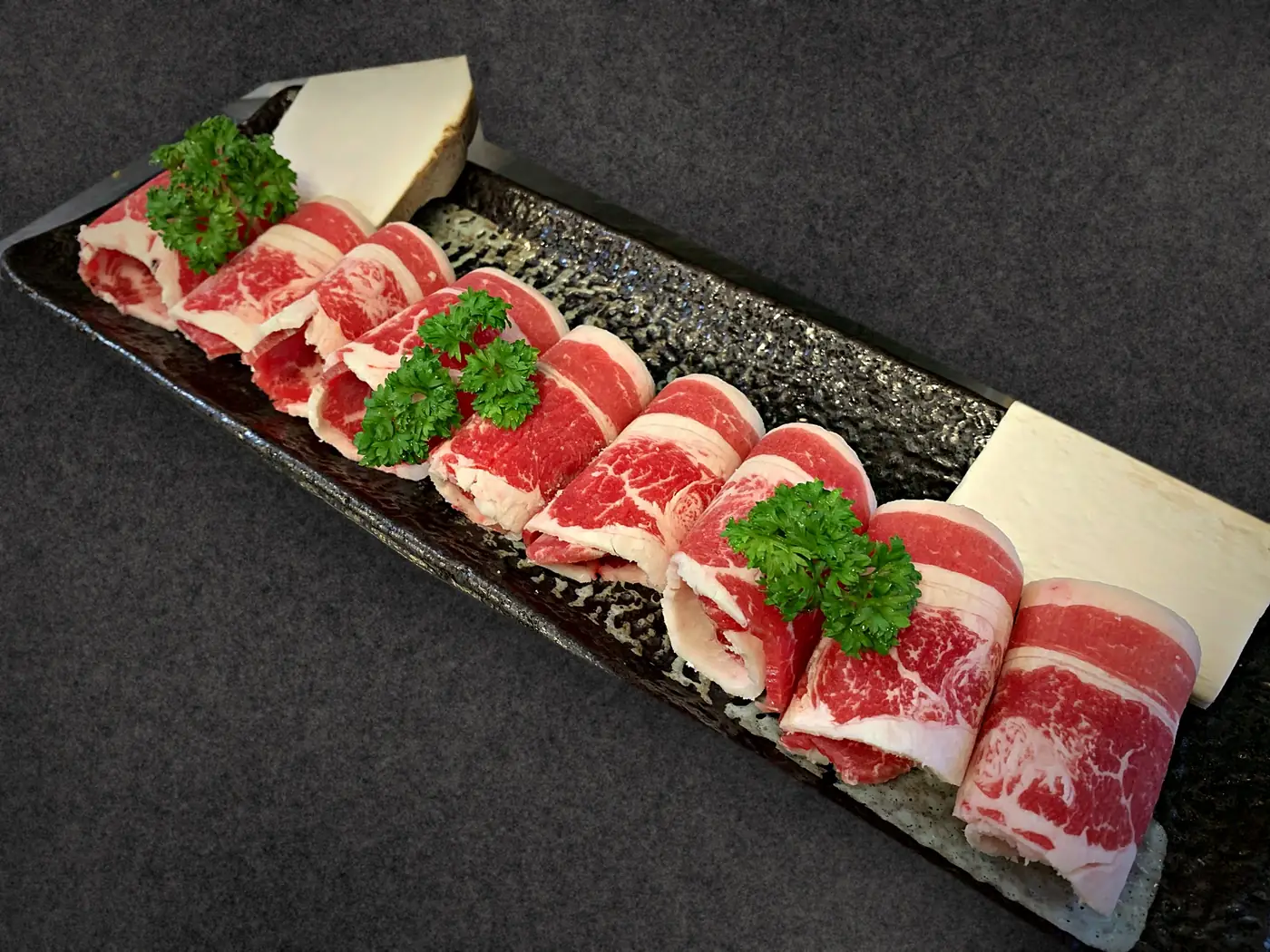
Japanese yakiniku and Korean BBQ are both cook-it-yourself grilled meat at the table, so many people assume they are the same. In fact the cuts, marinades, dipping sauces and side dishes are quite different. This comparison comes from a Korean BBQ restaurant in Phu My Hung, District 7, Ho Chi Minh City – so you know which one you are craving.
What is yakiniku? Its roots are linked to Korea
Yakiniku (焼肉) literally means “grilled meat”. The modern yakiniku restaurant developed in Japan after World War II, and the Korean community living in Japan is widely credited with popularising it. That is why yakiniku menus still use Korean-origin names such as karubi (from galbi, ribs) and bibinba (bibimbap). Over the decades yakiniku adapted to Japanese taste: smaller pieces, a milder sweet sauce, less spice.
Quick comparison
| Yakiniku (Japan) | Gogi-gui (Korea) | |
|---|---|---|
| Meat size | Small, bite-size, pre-cut | Large pieces or long strips, cut with scissors after grilling |
| Signature cuts | Karubi (short rib/belly), harami (skirt), beef tongue (tan), loin (rosu) | Pork belly, pork neck, galbi, bulgogi, beef intestines |
| Dipping | Tare (soy sauce, mirin, sugar, sesame); tongue with salt and lemon | Sesame-oil salt, ssamjang, soy-onion sauce |
| Sides | Steamed rice, kimchi, salad, soup | Many banchan, lettuce and perilla leaves for wrapping |
| How to eat | Dip the meat in sauce and eat with rice | Wrap meat with leaves, garlic and paste into one bite (ssam) |
| Grill | Charcoal (shichirin) or gas, small mesh grill | Charcoal or gas, mesh grill or cast-iron plate |
Japanese grilling marinade: tare sauce
Tare is the soul of yakiniku – used both as a quick marinade and as a dip. A basic home recipe for about 400 g of meat:
- 4 tbsp Japanese soy sauce
- 2 tbsp mirin, 1 tbsp sake (optional)
- 1–2 tbsp sugar
- 1 minced garlic clove, 1 tsp grated ginger, 1 tbsp toasted sesame seeds, a few drops of sesame oil
Gently simmer the soy sauce, mirin, sake and sugar until dissolved, cool, then add garlic, ginger and sesame. Marinate 10–30 minutes – enough for small pieces. Compared with Korean marinades, tare uses no grated pear and less garlic, so it tastes cleaner and lighter. General principles are in how to marinate meat for grilling.
Which one suits you?
- Choose yakiniku if you like mild sweetness, neat small pieces, eating with rice, and want to try beef tongue with salt and lemon.
- Choose Korean BBQ if you love pork (belly, neck), wrapping meat in leaves, lots of side dishes, a lively group atmosphere or soju.
For the bigger picture (American, Korean, Japanese, Vietnamese BBQ), see what is Korean BBQ. Not sure which cuts to order? Read best Korean BBQ meats and what does gogi mean.
Try charcoal Korean BBQ in Phu My Hung, District 7
Gogizip BBQ grills Korean-style over charcoal at your table: pork belly, pork neck, pork jowl, US beef rib finger and LA galbi, with 9 free refillable banchan and fresh wraps. English menu and English-speaking staff. See Korean BBQ in District 7 or the menu.
📍 93 Pham Van Nghi, Phu My Hung, Tan Hung Ward, Ho Chi Minh City · ⏰ 11:00–23:00 · ☎️ 0898 611 611
FAQ
What is yakiniku?
Yakiniku is Japanese grilled meat: small pieces grilled at the table and dipped in tare, a sauce of soy sauce, mirin, sugar and sesame.
What is the difference between yakiniku and Korean BBQ?
Yakiniku uses small pieces dipped in tare and eaten with rice; Korean BBQ uses larger pieces cut with scissors, more pork, many banchan, and meat wrapped in leaves with ssamjang.
What is in a Japanese yakiniku marinade?
Basic tare is soy sauce, mirin, sake, sugar, garlic, ginger, toasted sesame and a few drops of sesame oil; marinate 10–30 minutes.