Quick summary: A traditional Korean meal is usually balanced between rice, soup, vegetables and protein, with plenty of fermented foods like kimchi. Dishes such as seaweed soup, ginseng chicken soup and bibimbap are choices many people regard as nourishing. That said, Korean food can be fairly salty and spicy, so eat in moderation and mix different kinds of dishes.
The balanced eating philosophy of Koreans
The Korean table is known for its variety: a meal usually includes rice, soup, protein (meat, fish, eggs, tofu) and several vegetable dishes. Traditional cuisine also pays attention to the five colors (obangsaek): red, yellow, green, white and black. Each color represents a different group of ingredients, helping make the meal more well-rounded.
Because of the habit of eating plenty of vegetables and side dishes, diners can easily enjoy meat together with a large amount of greens instead of eating meat alone.
Fermented foods: kimchi and pastes
Kimchi, soybean paste (doenjang) and chili paste (gochujang) are the signature fermented foods. According to nutrition sources, fermented foods can provide probiotics and support digestion. However, they also contain a lot of salt, so enjoy them in moderation.
Nourishing Korean dishes you often see
Seaweed soup (miyeokguk)
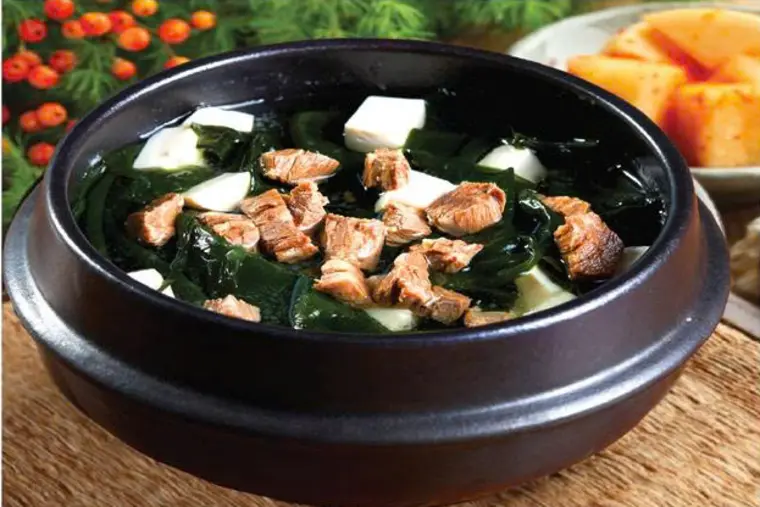
Seaweed is rich in minerals such as iodine. Koreans have a tradition of eating seaweed soup on birthdays and for women after childbirth. Gogizip BBQ has beef seaweed soup and seafood seaweed soup, served with rice.
Ginseng chicken soup (samgyetang)
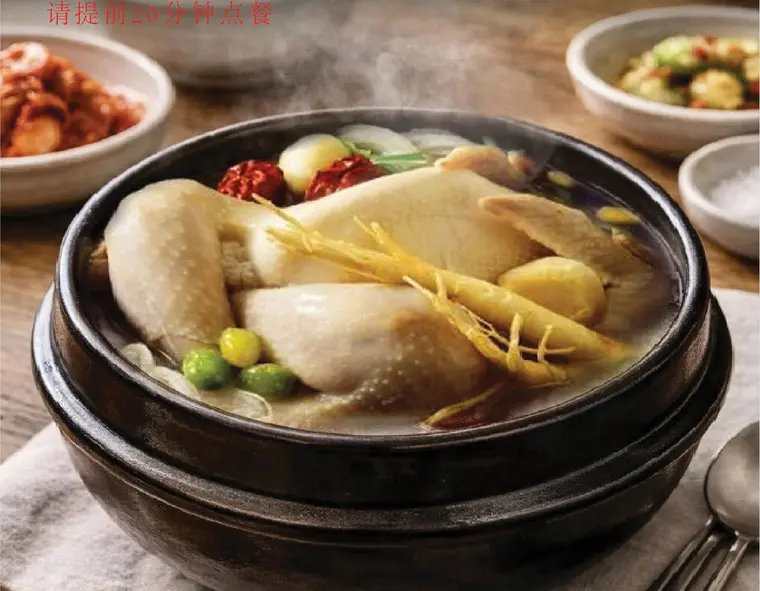
A young chicken stewed with ginseng, glutinous rice and jujubes. This restorative dish is eaten by many Koreans on hot days. It takes about 20 minutes to prepare, so please order 20 minutes ahead.
Mixed rice (bibimbap)
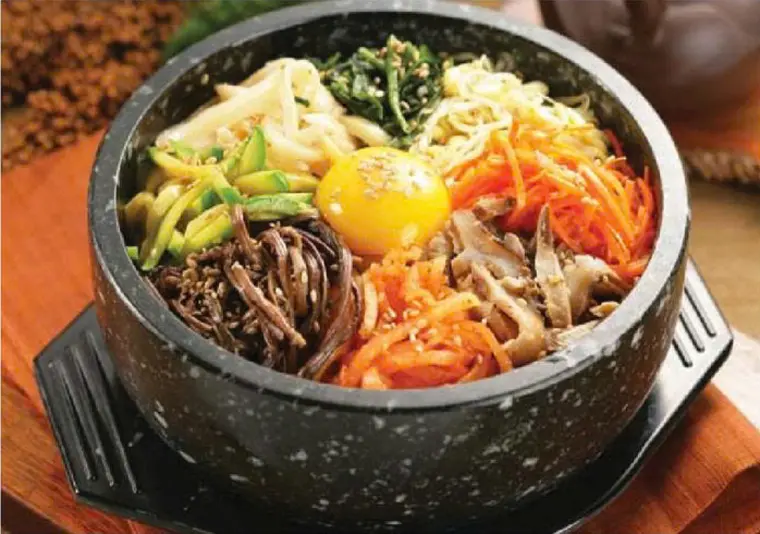
Rice mixed with a variety of vegetables, plus meat or egg, is a dish that brings vegetables, starch and protein together in one bowl.
Tofu soup and cold noodles
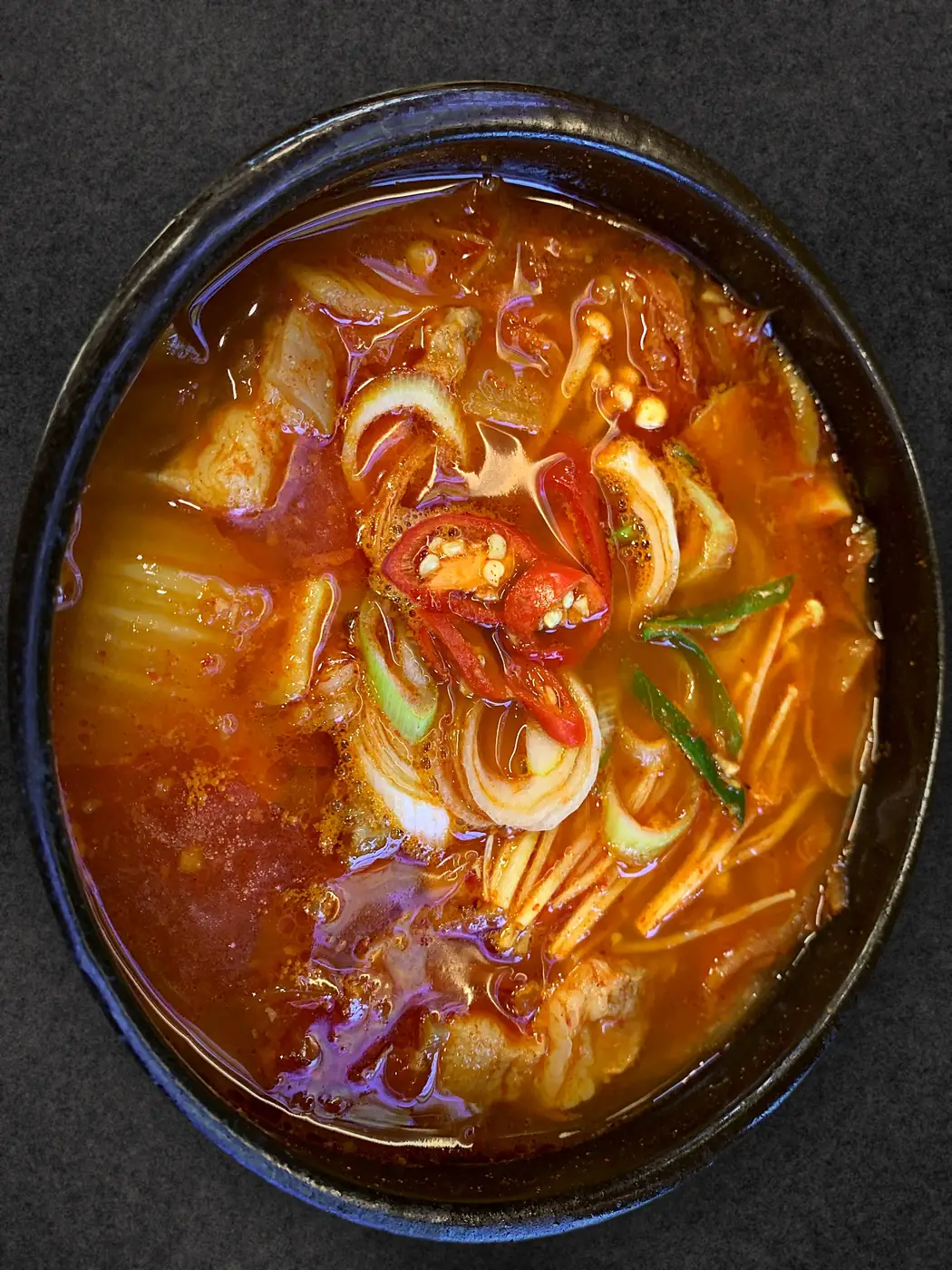
Tofu provides plant-based protein. Cold noodles (naengmyeon) are a light, refreshing dish, ideal after a round of grilled meat.
How can you eat Korean BBQ in a healthier way?
- Wrap plenty of greens: lettuce and perilla leaves increase the amount of vegetables in your meal.
- Choose a variety of cuts: combine lean cuts with moderately fatty ones.
- Do not let it burn: cut off any blackened parts before eating.
- Add soup and rice: to make the meal well-rounded instead of eating only meat.
- Watch the salt: limit how much salty dipping sauce you use.
Important notes
Korean food is often salty, spicy and uses many fermented seasonings. People with blood pressure, stomach or kidney conditions, or those on a special diet, should consult a doctor or a nutrition specialist. This article is for reference only and is not a substitute for medical advice.
Suggestions for a balanced order at Gogizip BBQ
You can choose a grilled meat combo, add a soup with rice, and order a vegetable bibimbap or cold noodles so your meal includes plenty of vegetables and protein.
93 Pham Van Nghi Street, Phu My Hung Urban Area, Tan Hung Ward, Ho Chi Minh City · Open 11:00–23:00
Frequently asked questions
Is Korean food good for your health?
A traditional Korean meal includes plenty of vegetables, fermented foods and balanced protein, but it is often salty and spicy. Eating in moderation and mixing different dishes is best.
What are the benefits of kimchi?
Kimchi is a fermented food containing probiotics and fiber from vegetables, but it is also high in salt, so eat it in moderation.
How can I eat Korean BBQ so it is lighter and healthier?
Wrap plenty of greens, eat it with soup and rice, avoid burnt parts and limit salty dipping sauces.
Read more: Korean BBQ culture · What is banchan?
References: Korea Tourism Organization (visitkorea.or.kr), Korean Food Promotion Institute (koreanfood.or.kr), Encyclopedia of Korean Culture (encykorea.aks.ac.kr). Content is for reference only and is not a substitute for medical advice.
Craving Korean BBQ? Gogizip BBQ – 93 Pham Van Nghi, Phu My Hung (District 7), open 11:00–23:00 daily. Combos for 2 from 599k VND, for 4 from 1,159k VND (prices before 10% VAT). 9 free banchan, refilled anytime. Some of our staff speak English.