Quick summary: Korean BBQ traces back to the skewered, marinated meat of the Goguryeo era, which evolved through the Joseon royal court into bulgogi and galbi. Koreans love charcoal grills for their high heat and fragrant smoke, and because a meal around the grill is a chance to gather together. Pork, especially pork belly, is the favorite because it is easy to enjoy, affordable, and pairs well with wrapped greens.
Where does Korean grilled meat come from?
Grilling meat over fire is one of the oldest ways of cooking known to humankind, but Koreans turned it into a cultural tradition of their own. Ancient records mention maekjeok, the marinated, skewered and grilled meat of the Goguryeo people, which many researchers regard as the “ancestor” of Korean BBQ today.
By the Joseon era, marinated grilled meat appeared in royal court cuisine and among the aristocracy, then gradually spread to ordinary people. Two famous styles emerged from it:
- Bulgogi: thinly sliced beef, marinated sweet and savory, then grilled or pan-seared.
- Galbi: ribs marinated in sauce and grilled over charcoal or a gas grill.
Tabletop grilling, where diners pick up the meat from the grill themselves, became hugely popular in Korea from the 20th century onward and is closely tied to the image of the Korean BBQ restaurant as we know it today.
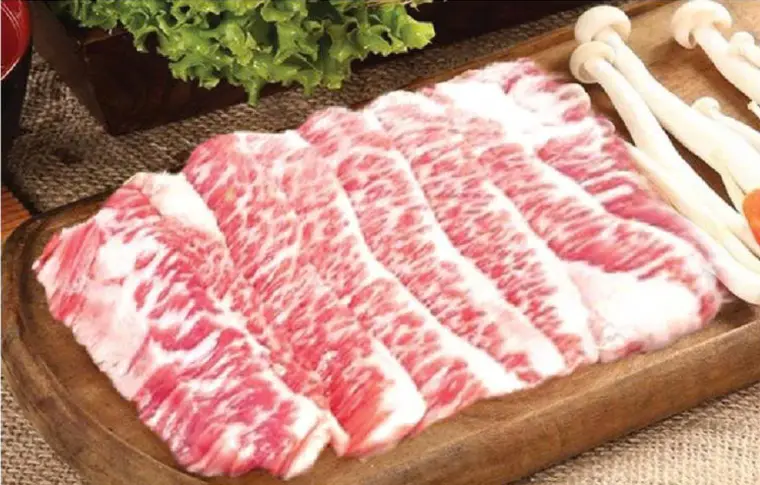
Why does everyone love grilled food?
It is not just Koreans. People all over the world love grilled food for a few very simple reasons:
- The aroma: when meat touches the fire, the scent of fat and seasoning awakens your taste buds instantly.
- Eaten piping hot: meat that has just cooked is lifted straight from the grill into your bowl, keeping its tenderness and juices.
- Grill it yourself: everyone chooses their own doneness to suit their taste.
- Eating together: one person grills, one picks up the meat, one wraps the greens. The meal becomes a group activity.
Why do Koreans like sitting around a charcoal grill?
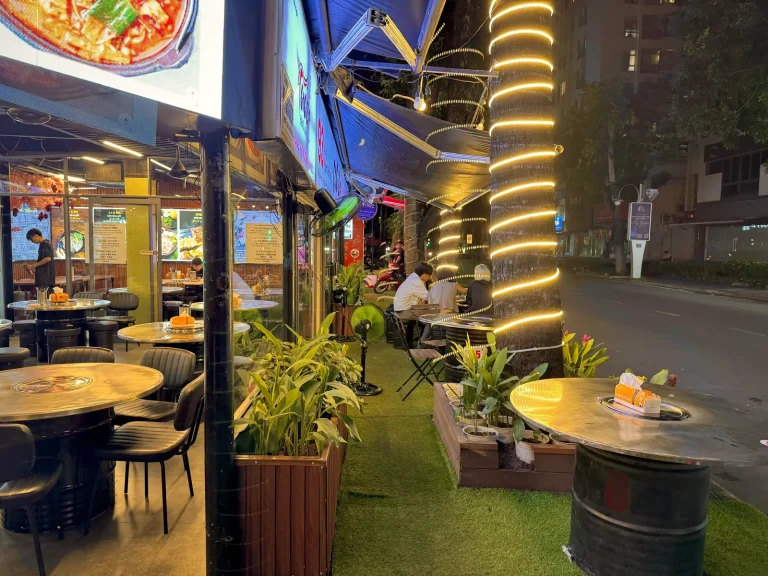
In Korean culture, a meal is a time for bonding. The grill sits in the middle of the table, so everyone looks at the same spot, shares the meat and looks after one another. Younger people often grill and pick up the meat for their elders, which is a way of showing care.
As for flavor, a charcoal grill delivers high, even heat, so the outside of the meat sears while the inside stays juicy. Fat dripping onto the coals creates a distinctive fragrant smoke that electric grills and pans cannot match. For many people, that is exactly “the smell of a BBQ restaurant.”
Why do Koreans eat so much pork?
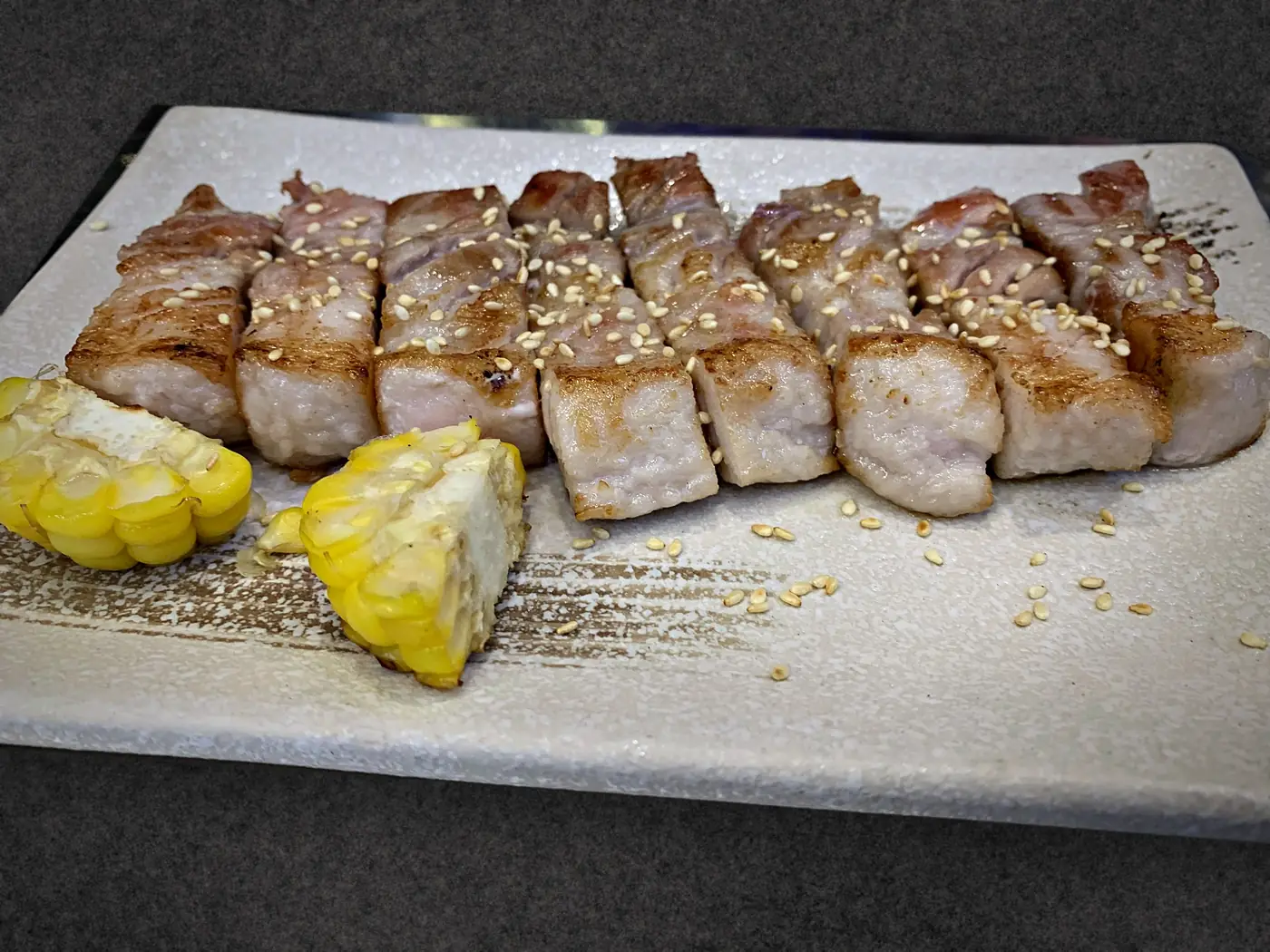
According to statistics on meat consumption in Korea, pork is usually the most consumed meat, and pork belly (samgyeopsal) is its signature cut. A few reasons are often cited:
- More affordable than beef: great for big groups to enjoy together.
- Richness that pairs with greens: crispy grilled pork belly wrapped in lettuce with garlic and ssamjang is wonderfully balanced.
- Many different cuts: pork belly, pork collar (moksal), pork jowl (hangjeongsal)… each cut has its own crispness and tenderness.
Koreans even have a day dedicated to it: 3/3 (Samgyeopsal Day), when many restaurants and families grill pork belly together. There is also a folk story that miners used to eat pork belly to “wash away the coal dust.” This is just word-of-mouth belief and has not been confirmed by science.
Eating Korean BBQ the Korean way
- Grill the meat until both sides are golden, then cut it into bite-sized pieces.
- Place it on a lettuce or perilla leaf, and add grilled garlic and scallion salad.
- Dip it in sesame-pepper salt or ssamjang, then wrap it up into a single bite (ssam).
- Enjoy it with kimchi or pickled radish to cut the richness.
Try Korean BBQ at Gogizip BBQ
Gogizip BBQ serves pork belly, pork collar, Korean pork jowl and a variety of American beef cuts, with combos for 2–4 people and three seating areas (outdoor, open-air air-conditioned, and a closed air-conditioned non-smoking room). The restaurant is open 11:00–23:00 every day.
93 Pham Van Nghi Street, Phu My Hung Urban Area, Tan Hung Ward, Ho Chi Minh City
Frequently asked questions
How long has Korean BBQ existed?
Marinated skewered meat (maekjeok) appeared as far back as the Goguryeo era and is considered the forerunner of modern Korean BBQ.
Why do Koreans like grilling over charcoal?
Charcoal gives high, even heat and a distinctive fragrant smoke. A meal around the grill is also a chance for the whole group to bond.
Which pork cut is the most popular for grilling?
Pork belly (samgyeopsal) is the most popular cut, followed by pork collar and pork jowl.
Read more: What is banchan? · Is Korean food good for your health?
References: Encyclopedia of Korean Culture (encykorea.aks.ac.kr), Korea Tourism Organization (visitkorea.or.kr), Korean Cultural Center Vietnam (kccvietnam.vn). Content is intended as an introduction to the culture.
Craving Korean BBQ? Gogizip BBQ – 93 Pham Van Nghi, Phu My Hung (District 7), open 11:00–23:00 daily. Combos for 2 from 599k VND, for 4 from 1,159k VND (prices before 10% VAT). 9 free banchan, refilled anytime. Some of our staff speak English.