Among the countless grilled dishes, hot pots and fried foods you often see, Korea also has a quiet and profound branch of cuisine: temple food (사찰음식, sachal eumsik). These are vegetarian dishes cooked by monks, following the Buddhist philosophy of gentleness, non-killing and gratitude for ingredients. This article introduces the philosophy, ingredients, signature dishes and how you can experience Korean temple food wherever you are.
Quick summary: Korean temple food is vegetarian, seasonal, mild in seasoning, and avoids garlic and the “five pungent vegetables.” To try regular Korean dishes, see the Gogizip menu.
What is temple food?
Temple food is the way of cooking and eating in Korean Buddhist temples, where meals are seen as part of spiritual practice. Monks and nuns choose ingredients from the temple garden or the surrounding mountains and forests, cook simply to keep the natural flavor, and eat in stillness.
Key principles
No meat or fish
All dishes are vegetarian, using no meat, seafood, broth made from bones or dried fish.
Limiting the five pungent vegetables
Tradition avoids five strongly scented vegetables such as garlic, onion, chives, leeks and one other seasoning vegetable, because they are believed to stimulate emotions and hinder meditation. Bold flavor therefore comes from soybean paste, mushrooms, seaweed and vegetables.
By season, by region
Spring brings wild greens, summer brings cucumber and pumpkin, autumn brings mushrooms and nuts, and winter brings roots and fermented foods.
Eat everything, waste nothing
In the temple eating ritual (baru gongyang), each person receives a bowl and eats clean, even rinsing the bowl with water and drinking it so nothing is wasted.
History and underlying philosophy
Buddhism came to the Korean peninsula around the 4th century and has had a deep influence on culture, art and cuisine. For many centuries, temples were places that kept knowledge of herbs, fermentation and seasonal cooking. The philosophy of “eating to nourish body and mind, not eating for craving” leads temple dishes to avoid overly stimulating flavors. Each dish is cooked with mindfulness: gratitude to the grower, the earth, the water and the ingredient itself.
A concept often mentioned is “five flavors, five colors”: a meal should have sour, sweet, bitter, spicy and salty tastes and the colors green, yellow, red, white and black, corresponding to the five elements and balance for the body. Interpretations differ, but the general idea is that a meal with varied colors is usually more balanced.
Famous nuns and its spread around the world
In recent years, Korean temple food has become better known around the world thanks to documentaries and nuns who cook being featured in the media. Many young chefs have gone to temples to learn how to cook, then brought that spirit into modern restaurants, creating refined vegetarian menus.
Important ingredients
- Fermented pastes: doenjang, ganjang, gochujang made without fish.
- Seaweed: kim, dasima, giving a sweet umami taste.
- Mushrooms: shiitake, oyster mushrooms, matsutake, adding depth.
- Wild greens and roots: watercress, thistle, bellflower root, burdock root.
- Beans and nuts: tofu, soybeans, pine nuts, walnuts.
- Sesame oil and perilla oil: adding fragrance.
Cooking: little oil, little fire, much patience
Cooking temple food is the art of doing little and achieving much. Broth is made from seaweed, dried mushrooms and vegetables, simmered over low heat to extract natural sweetness. Vegetables are blanched or quickly steamed to keep their crispness, then lightly dressed with paste and sesame oil. Food is cut to bite size, not fussy. Fermenting pastes, kimchi and pickles takes time, and monks often prepare for the whole year starting from the previous season.
Commonly used techniques
- Steaming: keeps the original flavor of vegetables.
- Blanching: cooks vegetables lightly, keeping the green color.
- Pickling and fermenting: kimchi, pickles, pastes.
- Drying: mushrooms, wild greens, seaweed for use year-round.
- Light pan-searing: tofu, pumpkin, mushrooms.
Signature dishes
Grain rice and multigrain rice
A bowl of rice cooked from rice mixed with grains, with a mild aroma.
Paste soup
Broth made from seaweed and mushrooms, seasoned with bean paste, eaten with blanched vegetables.
Seasoned vegetables (namul)
Seasonal vegetables lightly mixed with sesame oil, paste and toasted sesame; see also the article What is Banchan.
Fried or pan-seared tofu
Tofu braised in soy sauce or fried golden and dipped in soy sauce.
Vegetable pancakes
Vegetable pancakes, similar to pajeon but without scallions; see What is Pajeon.
Vegetarian kimchi
Kimchi made without shrimp or fish sauce, replaced with glutinous rice paste, seaweed and fruit; see What is Kimchi.
What does a temple meal usually include?
There is usually a bowl of rice, a bowl of soup, a few plates of seasoned vegetables, a tofu dish or a fried dish, and a plate of vegetarian kimchi. Everyone sits in a row, and the bowls are arranged in order, with no talking while eating. After the meal, a little water is poured into the bowl to rinse it, and the eater drinks it all so that no grain of rice is left behind. This ritual is called “baru gongyang.”
Mushrooms, nuts and pastes: three pillars of deep flavor
Because meat, fish, onion and garlic are not used, temple dishes rely on mushrooms, nuts and pastes for depth. Dried mushrooms give umami; pine nuts and walnuts give a rich, nutty flavor; long-fermented pastes give a complex salty-sweet taste. This is how people in the past created delicious meals without animal ingredients.
Temple experience (templestay)
Many temples in Korea have templestay programs for visitors, in which you live like a practitioner for one or a few days: meditation, temple meals, listening to Dharma talks. Meals are taken in silence, eating just enough with nothing left over. This is the fullest way to understand temple food.
How does temple food differ from restaurant food?
Temple dishes are minimal, mild in seasoning, and aimed at stillness. Restaurant dishes, especially grilled meat, are bold, noisy and fun. These two poles exist together and complement each other in Korean food culture. Read the article Korean grilled meat culture to see the contrast.
How to eat vegetarian when going to a Korean restaurant
Eating vegetarian in a Korean restaurant is a challenge because many dishes are cooked with broth from meat, dried fish or shrimp paste. To be proactive, ask in advance about ingredients, especially the broth and kimchi. Easy-to-adapt dishes include vegetable mixed rice (without meat or egg), tofu, seasoned vegetables, tofu soup without meat, and vegetable pancakes. Be clear whether you are strictly vegetarian or just do not eat meat, since Koreans often understand “no meat” but may still use fish broth. See the article What is Bibimbap to know how to order vegetarian mixed rice.
Korean dishes that can be adapted to vegetarian
- Bibimbap with vegetables, without meat and egg.
- Seaweed tofu soup made with mushroom broth.
- Vegetable pajeon, without seafood.
- Japchae (stir-fried glass noodles) without meat.
- Vegetable kimbap.
Ideas for Korean-style vegetarian food at home
You can cook a simple Korean-style vegetarian tray including: brown rice, seaweed soup cooked with mushrooms, spinach mixed with sesame, blanched bean sprouts mixed with sesame oil, pan-seared tofu with soy sauce, and vegetarian kimchi. Start by making a broth from dried mushrooms and vegetables, then season to taste. Blanch the vegetables just until done and mix gently to keep them crisp. Tidy up the tray and eat slowly. If you eat with family, prepare together so everyone feels the joy of cooking.
Gogizip and Korean dishes
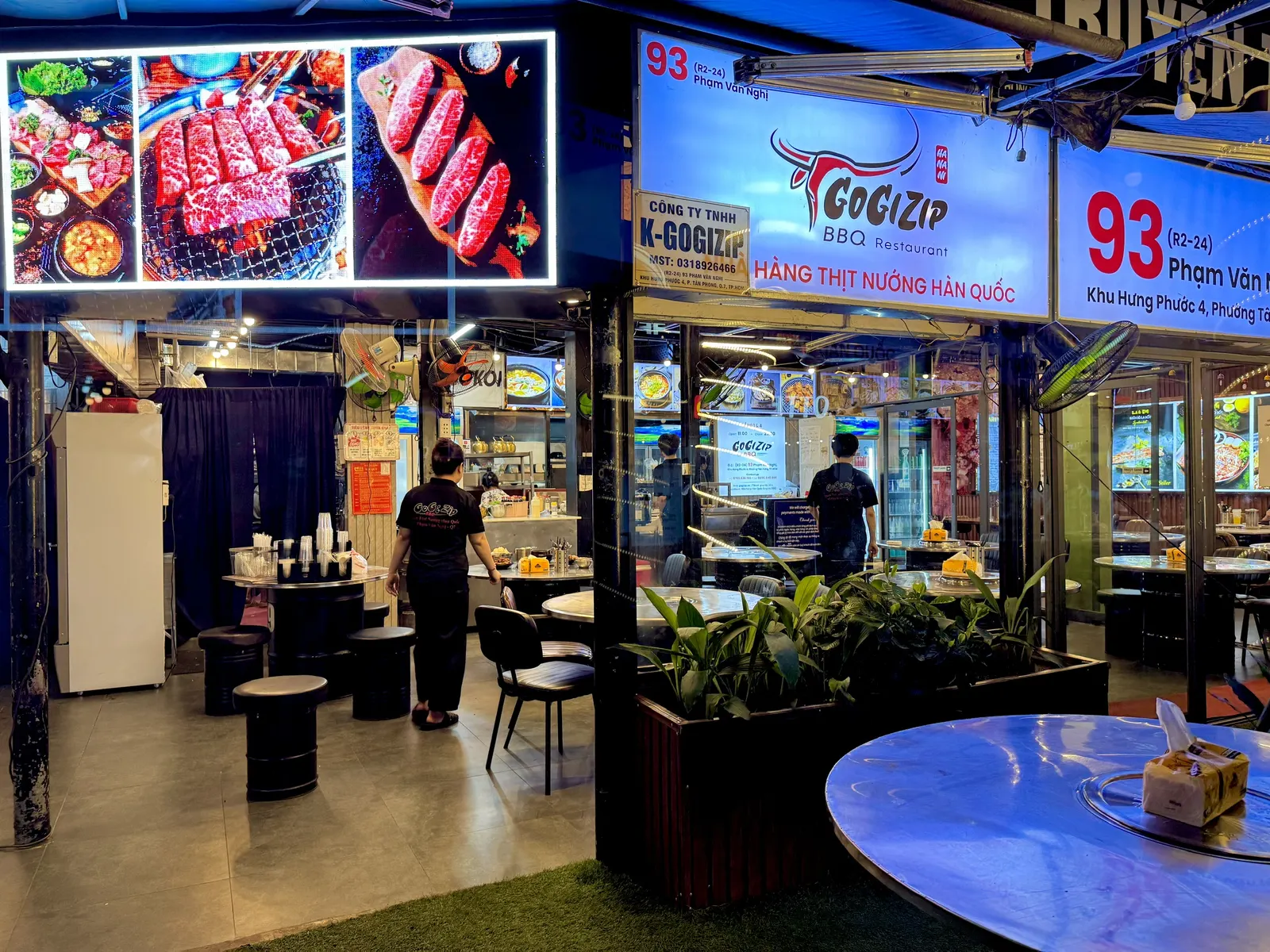
Gogizip is a Korean BBQ restaurant, not a vegetarian restaurant. If you eat vegetarian or go with someone who does, please see the menu and ask the staff about suitable dishes before ordering.
Differences between temple vegetarian food and modern vegetarian food
Modern vegetarian dishes often try to imitate meat with soy, mushrooms or gluten, and may use garlic and onion. Traditional temple dishes do not try to imitate meat but honor the true nature of vegetables. Both have value, depending on purpose and circumstances. If you want to experience the temple spirit, choose simple dishes, mild seasoning, eat slowly and pay attention to the taste of each ingredient.
Environmental and health impact
Eating more vegetables, beans and grains usually places less burden on the environment than a meat-heavy diet. However, health benefits also depend on how the food is cooked and the overall portion: vegetarian dishes fried in a lot of oil or with a lot of salt may still not be good. People with medical conditions or special nutritional needs should consult a doctor or nutrition professional.
What can we learn from temple food?
- Eat seasonally, choose local ingredients.
- Cook just enough, limit waste.
- Eat slowly, focus on the taste.
- Be grateful to the people who made the meal.
Frequently asked questions
Does Korean temple food use garlic and onion?
Traditionally, it does not use strongly scented vegetables such as garlic, onion and chives.
Is temple food bland?
Not necessarily. Depth comes from fermented pastes, mushrooms, seaweed and seasonal vegetables.
What is templestay?
It is a stay program at a temple, experiencing meditation, temple meals and simple living.
Can vegetarians eat Korean food?
Yes, but many Korean dishes use broth from meat or fish, so ask carefully about ingredients.
Is kimchi vegetarian?
There is vegetarian kimchi made without shrimp paste or fish sauce; regular kimchi usually has them.
Does Gogizip have vegetarian dishes?
Gogizip is mainly a Korean BBQ restaurant; please see the menu and ask the staff about suitable dishes.
Conclusion
Korean temple food reminds us that eating well is not only about bold flavors but also about gratitude and mindfulness. When you need a lively grilled meal, stop by Gogizip at 93 Pham Van Nghi Street, Phu My Hung Urban Area, Tan Hung Ward, Ho Chi Minh City, open 11:00–23:00 every day. Hotline 0898 611 611. Prices exclude 10% VAT.
Craving Korean BBQ? Gogizip BBQ – 93 Pham Van Nghi, Phu My Hung (District 7), open 11:00–23:00 daily. Combos for 2 from 599k VND, for 4 from 1,159k VND (prices before 10% VAT). 9 free banchan, refilled anytime. Some of our staff speak English.