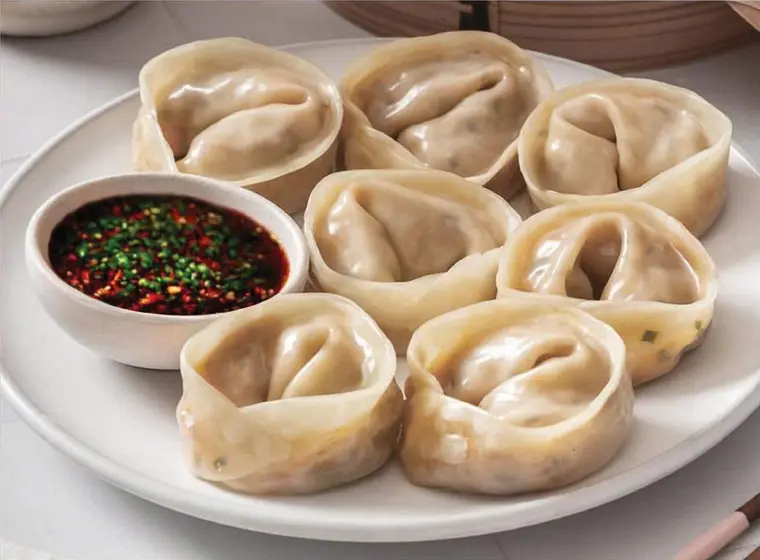
Korean New Year, called Seollal (설날), is one of the two biggest traditional holidays in Korea. It falls on the first day of the first lunar month and usually comes with a three-day holiday. For Vietnamese readers, Seollal has many familiar features: celebrating by the lunar calendar, family reunions, exchanging New Year wishes, and the custom of giving money to children. But the Korean New Year table has its own signature dishes, such as tteokguk rice cake soup, mandu dumplings, and fried jeon pancakes. This article helps you understand what Seollal is, what people eat and do, and how it differs from Vietnamese Tet.
What is Seollal?
Seollal is the first day of the year by the lunar calendar, when the whole family gathers, remembers its ancestors, and welcomes the new year. During this period Koreans usually travel back to their hometowns, so highways and train stations are packed. The holiday covers three days off: the day before New Year, New Year’s Day, and the day after. During this time people wear hanbok (traditional clothing), hold ancestral rites (charye), bow to their elders (sebae), and share a reunion meal.
The meaning of Seollal is a fresh start: people wish each other health, luck, and prosperity. The most common greeting is “saehae bok mani badeuseyo” (may you receive many blessings in the new year).
Signature foods of Korean New Year
Tteokguk – rice cake soup
Tteokguk is the soup you can’t miss at breakfast on New Year’s Day. Thinly sliced coin-shaped rice cakes are cooked in a clear, sweet beef or chicken broth, then topped with shredded egg, scallions, and seaweed. The white color of the rice cakes symbolizes purity and a new beginning. Koreans have a saying, “eating a bowl of tteokguk means one more year of age,” because traditionally everyone added a year to their age on New Year’s Day. Although Korea standardized on international age for administrative purposes in 2023, the saying is still used playfully at New Year.
Mandu – Korean dumplings
Many families make mandu together on the day before New Year, then cook them into dumpling soup (mandu guk) or serve them with tteokguk. Wrapping dumplings is a chance for children and grandchildren to gather, chat, and pass down recipes. See our article on Korean dumplings to learn more about mandu.
Jeon – Korean pan-fried pancakes
Jeon is a group of pan-fried dishes coated in a thin egg-and-flour batter, made with fish, meat, vegetables, and mushrooms. On the ritual table at New Year, jeon is arranged on plates in an attractive display. The dish is also associated with rainy days in Korea. Read more in our article on pajeon, Korean scallion pancake.
Galbijjim – braised beef short ribs
Tender braised beef ribs with soy sauce, radish, carrots, and jujubes are a main dish that often appears on the New Year table. The flavor is rich and sweet-savory, symbolizing abundance. Braised ribs are somewhat reminiscent of the flavors of beef rib soup, which you can enjoy all year round.
Japchae – stir-fried glass noodles
Sweet potato glass noodles stir-fried with vegetables and beef, seasoned with soy sauce and sesame oil, make a colorful and beautiful dish. The long noodles symbolize longevity, so japchae is often on the table at big celebrations.
Sikhye and sujeonggwa – traditional drinks
Sikhye is a sweet, lightly fermented rice drink; sujeonggwa is a cinnamon, ginger, and dried persimmon punch. Both are usually served as dessert after a protein- and oil-rich meal, helping digestion and warming the stomach.
What does a New Year’s Day look like in Korea?
Early on New Year’s morning, family members wake up, wash, and put on hanbok or their best clothes. Then comes the charye ritual: the altar is set with many dishes arranged in the traditional order, and the younger generations bow in remembrance of their ancestors. After the ritual, children and grandchildren bow to their grandparents and parents (sebae), say their New Year wishes, and receive New Year money called sebaetdon along with words of advice. Next is breakfast with tteokguk and the dishes that were offered at the ritual.
In the afternoon, many families play yutnori, visit relatives, or visit the graves of their ancestors. Children love flying kites and jumping rope. Adults gather and chat. In the evening comes the reunion dinner, with beef ribs, meat, fish, and plenty of banchan as the main dishes. The whole day unfolds in a warm, gentle atmosphere full of family affection.
Why is Korean New Year tied to going back to your hometown?
In modern society, many Koreans work in big cities such as Seoul and Busan. The New Year is when they return to their hometowns to see their parents and grandparents, so traffic is extremely heavy; this phenomenon is called the “New Year migration.” This is similar to Vietnam, where millions of people also go home for Tet, creating a bustling scene at bus stations, train stations, and airports.
New Year customs
- Charye: the ancestral rite held on the morning of New Year’s Day.
- Sebae: children and grandchildren bow to grandparents and parents and say their New Year wishes.
- Sebaetdon: New Year money given to the younger generation after the bow.
- Hanbok: wearing traditional clothing on New Year’s Day.
- Yutnori: a traditional game of throwing four wooden sticks, played by the whole family.
- Visiting ancestral graves: many families visit the graves at New Year.
The meaning of each dish on the New Year table
- Tteokguk: the white color symbolizes purity and a new beginning; the coin-shaped slices symbolize wealth and fortune.
- Mandu: the shape resembles a money pouch, symbolizing luck and prosperity.
- Japchae: the long noodle strands symbolize longevity.
- Jeon: the golden color is like gold and silver, symbolizing abundance.
- Galbijjim: a luxurious beef dish expressing filial respect.
Each dish is not just food but also carries a wish. This outlook is close to Vietnamese culture, where the square bánh chưng symbolizes the earth, giò chả symbolizes prosperity, and pickled scallions help cut the richness.
Comparing Korean New Year and Vietnamese Tet
| Aspect | Seollal (Korea) | Tet Nguyen Dan (Vietnam) |
|---|---|---|
| Timing | First day of the first lunar month, 3 days off | First day of the first lunar month, a few days to over a week off |
| Signature foods | Tteokguk, mandu, jeon, galbijjim | Bánh chưng, giò chả, thịt đông, dưa hành |
| Clothing | Hanbok | Áo dài |
| New Year money | Sebaetdon after the bow | Lì xì in red envelopes |
| Games | Yutnori | Bầu cua, bài cào, board games… |
The two cultures have much in common, from the spirit of family reunion to the custom of giving New Year money, yet each has its own foods and rituals. Understanding these similarities and differences helps you feel closer to Korean culture.
Tteokguk – a simple recipe to make at home
Ingredients for four people: about 400 g sliced rice cakes, 1.2 liters of beef or chicken broth, one egg, scallions, minced garlic, soy sauce, salt, sesame oil, and shredded seaweed. Soak the rice cakes in water for about 30 minutes. Heat the broth with the minced garlic and a little soy sauce, add the rice cakes, and cook until they float and turn soft. Beat the egg, drizzle it into the pot to form ribbons, and turn off the heat. Ladle into bowls and sprinkle with scallions, seaweed, and a few drops of sesame oil.
If you have beef, stir-fry it briefly with garlic and soy sauce and place it on top of each bowl. The dish is light and warming, perfect for cool days. You can eat it with kimchi to balance the flavor.
Korean New Year among Koreans living in Vietnam
Vietnam has a large Korean community, especially in Ho Chi Minh City, Hanoi, and the industrial zones. Each Seollal, the community often holds gatherings, cooks traditional dishes, and exchanges New Year money. Many Korean restaurants also offer special New Year menus. It is a chance for Vietnamese people to learn about Korean culture, connect, and exchange.
If you have Korean friends or colleagues, a greeting of “saehae bok mani badeuseyo” at Seollal is sure to bring them joy. Don’t forget to follow it with a meal together, and Korean BBQ is always an easy way to remind them of home.
The Korean New Year meal versus an everyday BBQ meal
The Korean New Year meal emphasizes formality and ritual, while an everyday BBQ meal emphasizes comfort and sharing. Though different, both revolve around sitting together at the table, sharing delicious food, and talking. If you’d like to feel a bit of that warm atmosphere, invite your family to Gogizip on a weekend evening: grill some meat, order a warming soup, add steamed dumplings, and let the meal stretch on amid laughter.
New Year greetings in Korean: a few simple phrases
- Saehae bok mani badeuseyo (새해 복 많이 받으세요): wishing you many blessings in the new year.
- Geonganghaseyo (건강하세요): wishing you good health.
- Haengbokhaseyo (행복하세요): wishing you happiness.
- Joeun hae doeseyo (좋은 해 되세요): wishing you a good year.
These greetings are simple, easy to remember, and well received by Korean friends and colleagues. Say them with a smile and a slight bow to show respect. If you want to learn more dining vocabulary, watch for our upcoming article on Korean vocabulary on the Gogizip news page.
Dos and don’ts during Seollal
- Do: greet older people for the New Year, bring a small gift, keep the mood cheerful, and eat tteokguk.
- Do: ask about health and family, and avoid stressful topics.
- Avoid: pressing questions about salary, marriage, or children – questions that many young Koreans find stressful.
- Avoid: breaking things or arguing on the first day of the year, according to folk belief.
Frequently asked questions about Korean New Year
What is Seollal?
It is the Lunar New Year of Korea, held on the first day of the first lunar month.
What do Koreans eat on New Year’s Day?
The signature dish is tteokguk rice cake soup, along with mandu, jeon, galbijjim, and japchae.
Why does eating tteokguk mean getting one year older?
Traditionally everyone added a year to their age on New Year’s Day, and the bowl of tteokguk symbolizes that.
What is sebae?
It is the ritual of bowing to elders on New Year’s morning and saying New Year wishes.
How does Seollal differ from Vietnamese Tet?
They share the same lunar date and the spirit of family reunion, but differ in foods, clothing, and some customs.
Does Gogizip serve Korean food year-round?
Yes. Gogizip serves Korean BBQ, stews, dumplings, tokbokki, and many other dishes every day from 11:00 to 23:00.
New Year cuisine and the modern pace of life
Today, many young Koreans choose a simpler way to celebrate: buying ready-made food, booking a restaurant table, or traveling instead of cooking all day. Even so, the spirit of reunion and the family meal remain at the core. Korean restaurants in many countries, including Vietnam, welcome guests at every Seollal with special menus. It is a way of preserving tradition in a busy life.
At Gogizip, you can enjoy familiar Korean dishes any day, from Korean BBQ, Beef Rib Soup, and dumplings to rice cakes. You don’t have to wait for the New Year to feel the spirit of gathering around the table.
Conclusion
Seollal is a time for Koreans to reunite and begin a new year. Taste a little of Korea at Gogizip, 93 Pham Van Nghi Street, Phu My Hung Urban Area, Tan Hung Ward, Ho Chi Minh City. Prices exclude 10% VAT.
Craving Korean BBQ? Gogizip BBQ – 93 Pham Van Nghi, Phu My Hung (District 7), open 11:00–23:00 daily. Combos for 2 from 599k VND, for 4 from 1,159k VND (prices before 10% VAT). 9 free banchan, refilled anytime. Some of our staff speak English.