Makgeolli (막걸리) is a fermented rice wine that is cloudy white, mildly sweet-sour, slightly fizzy, and low in alcohol, usually around 6–8%. It is one of Korea’s oldest traditional drinks, tied to rice fields, rainy days and friendly meals. This article explains what makgeolli is, what it is made from, how to drink it, what to eat with it and what to keep in mind. The content is for people of legal drinking age; please drink responsibly.
Quick summary: Makgeolli is made from rice (or glutinous rice), nuruk fermentation starter and water; it ferments naturally and is not filtered thoroughly, so it is cloudy. It pairs with pajeon, bossam and fried dishes. See the Gogizip menu to choose grilled dishes to go with it.
What is makgeolli?
“Makgeolli” means roughly “freshly strained wine,” referring to a rice wine that is filtered loosely, leaving some of the rice sediment, so it has a milky white color. The flavor of makgeolli combines the sweetness of converted starch, the mild sourness of fermentation and a little natural fizz. The wine has a rice aroma and is a bit like thin sour milk, so many people consider it an easy-drinking wine.
Ingredients and how it is made
Main ingredients
- Rice or glutinous rice: steamed until cooked to serve as the base for fermentation.
- Nuruk: a traditional fermentation cake containing yeast and mold, which converts starch to sugar and then to alcohol.
- Water: water quality affects the taste of the wine.
Basic process
- Steam the rice until cooked and let it cool.
- Mix with nuruk and water in a jar.
- Ferment for several days at a suitable temperature.
- Strain to get the cloudy wine, and dilute if needed.
Handmade wine can differ in sweetness, fizz and flavor depending on the region and the producer.
Why is makgeolli cloudy and sweet-sour?
When the yeast in nuruk breaks starch down into sugar and then into alcohol, some starch and protein from the rice remain suspended in the wine. If filtered too thoroughly, you get a clear wine like cheongju; if filtered lightly, the wine keeps its cloudiness and a smooth, milky richness. The mild sourness comes from organic acids produced during fermentation, while the sweetness comes from remaining sugar. Some producers add sweeteners to make it easier to drink, so the taste of each bottle can differ quite a lot.
Reading a makgeolli label
- Alcohol content (usually 6–8%).
- Ingredients: rice, nuruk, water; whether sweeteners are included.
- Production date, expiry date and storage method.
- Importer and distributor in Vietnam.
History and cultural position
Makgeolli is believed to have a history of hundreds of years. Farmers drank makgeolli in the middle of fieldwork to regain energy, so it is also called “the farmers’ wine.” After a period of being overshadowed by soju and beer, makgeolli has revived strongly in recent years thanks to new brands, makgeolli-focused bars and the interest of the younger generation.
Makgeolli and rainy days: a lovable habit
Koreans joke that when it rains, you think of pajeon and makgeolli. One explanation often mentioned is that the sizzling sound of frying pancakes sounds like rain falling on a roof, and the dim light of a rainy day invites a warm feeling that makes you want to gather together. Although this explanation is more folk than scientific, it shows how Koreans link food and drink with seasonal feelings. This habit is so common that many restaurants are busier on rainy days.
A makgeolli evening at home
If you want to try it at home, prepare pajeon scallion pancakes, stir-fried tofu with kimchi, a few kimchi side dishes and a chilled bottle of makgeolli. Pour into small bowls, drink slowly, and chat comfortably. Have filtered water and enough food on hand to avoid drinking on an empty stomach.
How to drink makgeolli
- Shake the bottle gently before opening so the sediment mixes evenly.
- Open the cap slowly because the wine may foam.
- Pour into a small bowl or glass, often using a traditional metal kettle.
- Drink it cold, in small sips, with food.
The ritual of pouring and receiving with both hands and turning your body when drinking in front of elders is similar to soju; see the article Korean alcohol: soju and makgeolli.
What does makgeolli pair with?
- Pajeon (scallion pancake): its crisp, rich flavor suits the sweet-sour taste of the wine; see the article What is Pajeon.
- Bossam and boiled pork: they pair with the mild savoriness.
- Stir-fried tofu with kimchi: the sour-spicy flavor is balanced by the wine’s sweetness.
- Fried dishes: fried chicken, tempura.
- Grilled meat: grilled pork belly wrapped in perilla leaves.
Mixing and variations of makgeolli
Besides drinking it straight, Koreans like to vary makgeolli: mixing with fruit juice, adding ice, or using it as a cocktail base. Some bars mix makgeolli with soda or lemonade for a lighter, more refreshing taste. There are also makgeolli “cream” desserts, and the wine is used in baking and as a leavening for steamed cakes. These uses show the flexibility of this traditional wine.
Types of makgeolli
- Plain makgeolli: rice, yeast, water; a balanced sweet-sour taste.
- Fruit-flavored makgeolli: with added peach, banana, strawberry or chestnut.
- Sparkling makgeolli: more fizz, like sparkling wine.
- Craft makgeolli: small-batch, with its own flavor.
Comparing makgeolli with sake and Vietnamese sticky rice wine
Makgeolli, Japanese sake and Vietnamese sticky rice wine are all rice-based wines, but differ in yeast, method and degree of filtering. Sake is fermented with koji mold and filtered very thoroughly, so it is clear, with 14–16% alcohol. Makgeolli uses nuruk and is lightly filtered, so it is cloudy, with lower alcohol. Vietnamese sticky rice wine, especially types made from yellow-flower glutinous rice or fermented rice (com ruou), has the sweet aroma of glutinous rice and is sometimes distilled for higher strength. Each reflects the ingredients and customs of its homeland.
Quick comparison
- Makgeolli: cloudy, sweet-sour, 6–8%, drunk cold from small bowls.
- Sake: clear, delicate, 14–16%, drunk chilled or gently warmed.
- Sticky rice wine (fermented rice style): sweet, yeasty-fragrant, usually eaten as a dessert.
Foods to pair with makgeolli in detail
Pajeon
A scallion pancake fried crisp at the edges and soft inside, dipped in soy sauce mixed with vinegar. The savory richness balances the wine’s sourness.
Bossam
Sliced boiled pork, wrapped with fresh kimchi and vegetables; the mild, clean flavor goes with rice wine.
Dubu kimchi
Hot boiled tofu eaten with sour kimchi stir-fried with pork; the spicy-sour flavor is softened by makgeolli.
Fried seafood
Crisp fried shrimp, squid and fish are very suitable, especially on rainy days.
Grilled pork
Grilled pork belly wrapped in perilla leaves, grilled garlic and a little ssamjang is a familiar way to eat; see the articles cuts of pork for grilling and what is ssamjang.
Benefits, risks and notes
Makgeolli contains microorganisms from fermentation, but it is still an alcoholic drink and should not be treated as a health food. People with medical conditions, pregnant women, people on medication and anyone about to drive should not drink. Choose products with clear origin, store them cold, and use them before the expiry date.
Makgeolli in festivals and rituals
Makgeolli appears on many traditional occasions: village festivals, ancestral rites, farming days and community events. Some places hold makgeolli festivals with brewing contests, tastings and folk games. The presence of wine in rituals shows that it is not just a drink but also a symbol of gathering and gratitude for the harvest.
Suggestions for choosing drinks when eating out with a group
When going out as a group, ask beforehand who drinks, who does not, and who is driving. Prepare both alcoholic and non-alcoholic drinks so everyone has something. If you are eating grilled meat, prefer cold, low-sugar drinks that are not too strongly scented, so they do not overpower the aroma of the meat. Do not forget to order filtered water, since drinking alcohol with salty food makes you thirsty. You can read more suggestions in the article drinks to have with grilled meat.
A few notes when ordering drinks at a restaurant
- Look at the menu page to know what drinks the restaurant serves.
- Ask the staff if you need suggestions, especially when you are with elders.
- Order just enough; you can order more later.
- Displayed prices exclude 10% VAT.
Gogizip and side dishes
Gogizip is a Korean BBQ restaurant; see the menu to know the dishes and drinks currently served. Grilled dishes such as pork belly, pork collar or grilled beef are well suited to wrapping in leaves and eating with kimchi.
Questions beginners often ask
Does makgeolli make you drunk quickly?
Because it is low in alcohol and sweet and easy to drink, many people drink more than planned and get drunk unexpectedly. Drink slowly, eat with food, and do not drink on an empty stomach.
Do you need to shake the makgeolli bottle?
Yes. The rice sediment settles to the bottom, and a gentle shake evens out the flavor. Open the cap slowly to avoid the wine overflowing.
What does makgeolli smell like?
It smells of fermented rice, slightly sour like yogurt, and sometimes with a faint yeasty smell. Fruit-flavored types have a gentler fragrance.
Can makgeolli be used in cooking?
Yes. Koreans use makgeolli to marinate meat, to bake, or to mix into frying batter for a crisper, fluffier crust.
Where can I buy makgeolli in Ho Chi Minh City?
You can find it at Korean grocery stores, large supermarkets or reputable importers and distributors of imported alcohol; always check the label and expiry date.
Frequently asked questions
Is makgeolli a rice wine?
Makgeolli is a fermented rice wine, closer to a rice wine than a grape wine; it is sweet-sour and cloudy.
How much alcohol is in makgeolli?
Usually about 6–8%, lighter than soju but still an alcoholic drink.
Is makgeolli drunk hot or cold?
Usually cold, to keep the sweet-sour taste and the fizz.
How should makgeolli be stored?
Keep it cold, away from sunlight, and drink it within a few days after opening.
What is the best food to eat with makgeolli?
Pajeon scallion pancakes, bossam, stir-fried tofu with kimchi and fried dishes.
What can people who do not drink alcohol try instead?
You can have sikhye, barley tea or juice; you do not need to drink alcohol to enjoy Korean food.
Conclusion
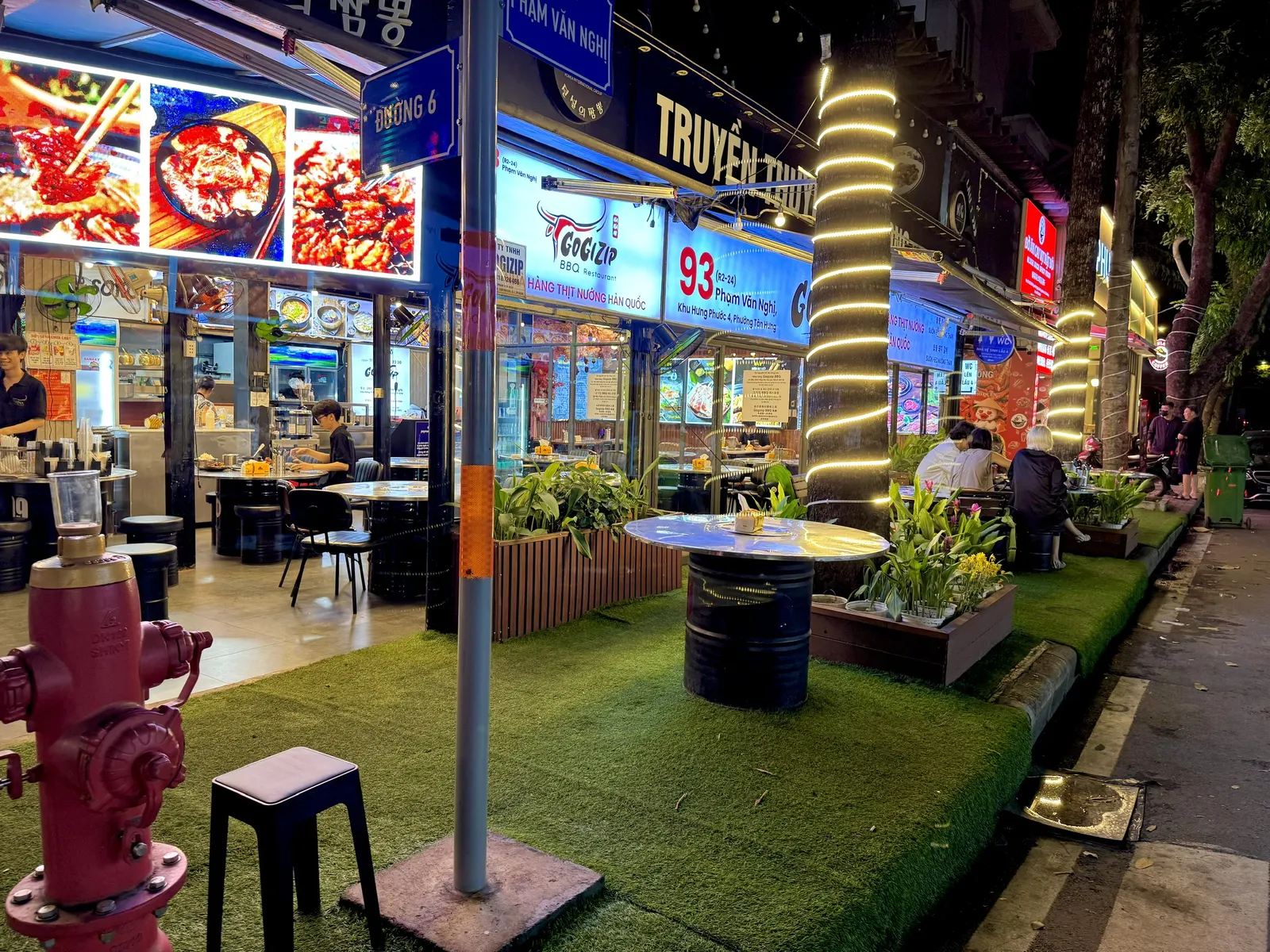
Makgeolli is a simple traditional Korean drink that is rich in identity. Enjoy it responsibly and pair it with suitable dishes. If you want a Korean grilled meal with friends, stop by Gogizip at 93 Pham Van Nghi Street, Phu My Hung Urban Area, Tan Hung Ward, Ho Chi Minh City, open 11:00–23:00 every day. Hotline 0898 611 611. Prices exclude 10% VAT.
Craving Korean BBQ? Gogizip BBQ – 93 Pham Van Nghi, Phu My Hung (District 7), open 11:00–23:00 daily. Combos for 2 from 599k VND, for 4 from 1,159k VND (prices before 10% VAT). 9 free banchan, refilled anytime. Some of our staff speak English.