When it comes to Korean drinking culture, almost everyone remembers the green bottle of soju and the small glasses clinking in dramas. But the world of Korean alcohol is not just soju: there is also cloudy, sweet-and-sour makgeolli, clear cheongju, sweet bokbunja made from black raspberries, and many other traditional drinks. This article introduces popular Korean alcoholic drinks, how to choose food pairings, and drinking etiquette so you understand them properly before trying. The content is for people of legal drinking age; please drink responsibly.
Quick summary: Soju is clear and moderately strong; makgeolli is cloudy, light, and slightly sweet-sour; cheongju is delicate; bokbunja is fruity-sweet. Korean grilled dishes and soups are familiar companions; see the Gogizip menu.
Why does alcohol matter in Korean culture?
In Korean society, alcohol is the glue of relationships. Company dinners, get-togethers with friends, weddings and ancestral rites all have a place for alcohol. More important is how it is drunk: Koreans pour for each other, receive with both hands, and raise their glasses in order of age. Alcohol becomes a way of showing respect and closeness.
A short history of Korean alcohol
Koreans have brewed alcohol since very early times, mainly from rice, glutinous rice and a fermentation starter (nuruk). In the feudal period, each family and each region had its own recipe, called “gaeyangju” (family-recipe alcohol). In the 20th century, due to rice shortages and regulatory policy, traditional alcohol declined and industrial diluted soju became widespread. In recent years, many young brewers have revived traditional drinks, bringing makgeolli and craft rice wines into modern bars. This revival means Korean alcohol is no longer tied only to the image of cheap soju but is a diverse area of food culture.
Soju
What is soju?
Soju (소주) is a clear alcohol, usually distilled or diluted from ethanol, flavorings and sweeteners. Modern soju often has an alcohol content of about 16–20%, with a slightly sweet taste, and is much gentler than people imagine. Traditional distilled rice soju has a higher alcohol content and a more complex aroma.
How to drink soju
Soju is usually drunk in small glasses, emptied glass by glass or sipped, together with food. The younger person pours for the older person with both hands. When receiving, you also use both hands. When drinking in front of an elder, you turn your face slightly to one side.
What does soju pair with?
Soju pairs with grilled pork, spicy dishes, hot soups and seafood. Its clean, slightly sweet taste helps cleanse the palate after rich dishes. See also cuts of pork for grilling and Korean soups and stews.
Mixed soju: somaek
Somaek is soju mixed with beer in any ratio you like; see the article What is Chimaek.
Fruit-flavored soju
Besides plain soju, many brands have versions flavored with peach, grape, grapefruit and green apple, with a mild sweetness and lower alcohol content, popular with young people and women. It is an easy-drinking choice for beginners, but remember it is still an alcoholic drink.
Common “drinking games”
At gatherings, Koreans have many games that make the mood more fun, from counting games and guessing the bottle cap to word chain games. If you do not want to drink, you can absolutely join in with soft drinks or tea; what matters is the fun spirit, with no pressure.
Makgeolli
Makgeolli (막걸리) is a fermented rice wine, cloudy white, with a mild sweet-sour taste, slightly fizzy, and usually only about 6–8% alcohol. The wine is shaken well before pouring and drunk from small bowls. Makgeolli pairs with pajeon scallion pancakes, bossam and fried food. You can read more in the articles What is Makgeolli and What is Pajeon.
Makgeolli in Korean life
Makgeolli was once regarded as the “farmers’ drink,” drunk after working in the fields, hence the nickname “farmhouse wine.” Today, it has become a trendy drink with many flavor versions such as peach, banana, chestnut, or premium sparkling makgeolli. Koreans often choose makgeolli on rainy days, eaten with scallion pancakes, stir-fried tofu with kimchi or fried dishes. It is often served in a metal kettle and poured into small bowls, giving a rustic feel.
How to choose and store makgeolli
- Choose a bottle that is within date, kept cold, away from sunlight.
- Shake gently before opening so the wine is evenly colored.
- Open the cap slowly because fermented wine can foam strongly.
- Drink within a few days of opening to keep the flavor.
Cheongju
Cheongju (청주) is a clear filtered rice wine with a delicate, mildly sweet taste, often used in ancestral rites and traditional feasts. It is usually warmed lightly or drunk chilled depending on the type.
Bokbunja-ju
Bokbunja-ju is a wine made from Korean black raspberries, reddish-purple, sweet-sour, and fruity in aroma. Many people compare it to “Korean-style red wine.” It is an easy-drinking type, suitable for beginners.
Baekseju and herbal liquors
Baekseju is a rice wine infused with herbs such as licorice, ginger and goji berries, usually drunk at Tet or festivals. It has a mild sweetness and a clear herbal aroma.
Pairings and side dishes
- Soju: grilled pork, hot soup, seafood.
- Makgeolli: pajeon, bossam, fried pancakes.
- Beer: fried chicken, sausage, fried dishes.
- Bokbunja: cheese, fruit, sweet cakes.
- Cheongju: steamed dishes, fish, light food.
Pairing drinks with each type of grilled meat
Pork
Pork belly, pork collar and fatty pork jowl go well with soju or cold beer because the clean taste cuts the fat. Wrapping a perilla leaf around grilled garlic and taking a sip is a familiar way of eating in Korea. See also the article on cuts of pork for grilling.
Beef
Premium beef such as skirt and top blade usually pairs with red wine or light rice wine, because the rich, fragrant flavor of beef is not overshadowed. With sweet-marinated beef such as bulgogi or galbi, makgeolli or bokbunja suits the sweet-salty flavor. See the articles Korean grilled beef: what is galbi and what is bulgogi.
Offal and spicy dishes
Grilled offal and spicy stir-fried octopus go well with cold beer or soju to cut the heat. See also Korean grilled offal and spicy stir-fried octopus.
Non-alcoholic drinks in a Korean meal
Not everyone drinks alcohol, and Koreans have many traditional non-alcoholic drinks: barley tea (boricha) drunk cold or hot with meals; sikhye, a lightly sweet rice drink eaten as a dessert; sujeongwa, a cinnamon-ginger punch with dried persimmon; and yuja tea, Korean citron honey tea drunk hot. You can also choose filtered water, soda or tea. At a grilled meat meal, drinking something cold with little sugar makes it more comfortable. See also the article drinks to have with grilled meat.
Basic drinking etiquette
- The younger or lower-ranked person pours for the older or higher-ranked person.
- Pour and receive with both hands, or with one hand supporting the wrist of the other.
- Turn your body aside when drinking in front of elders.
- Do not pour for yourself when others do not have a drink yet.
- You can politely refuse if you cannot drink, but it is best to accept the glass and touch it to your lips.
Korean-style hangover cures: haejangguk and next-day soups
Koreans even have a group of soups for the next day: haejangguk (hangover soup), bean sprout soup, beef bone soup, kimchi soup, seaweed soup. These dishes are hot and strongly flavored, making a hungover person feel more comfortable. Even so, no food truly “cures” a hangover; the best way is still to drink less, eat enough and rest. See the article Korean soups and stews to learn more.
Where to buy Korean alcohol and how to choose
Imported Korean alcohol can be bought at Korean specialty stores, large supermarkets and some reputable e-commerce sites. Read the label: alcohol content, manufacturer, expiry date, importer. Avoid products of unclear origin. For makgeolli, choose products stored refrigerated; for soju, choose bottles with the seal intact. When bringing alcohol as a gift, choose a type that suits the recipient’s taste and follows the law.
Drinking responsibly
Alcohol affects health and the ability to drive. If you plan to drink, eat a full meal, alternate with water, and do not drive after drinking. Pregnant women, people with liver or stomach conditions, or those taking medication should avoid alcohol. Never pressure others to drink.
Common misconceptions about Korean alcohol
- “Soju is very strong”: common soju is only about 16–20%, but drinking many bottles still causes heavy intoxication.
- “Drinking is mandatory when eating with Koreans”: you can politely decline; reasons of health or driving are understood.
- “Makgeolli is just common rice wine”: there are now many premium craft lines with rich flavors.
- “Korean alcohol is only soju”: in fact there are also cheongju, bokbunja-ju, baekseju and fruit wines.
- “Alcohol makes food taste better”: in reality drinks should only complement, not overpower the flavor of the food.
Why do Koreans often raise their glasses with “geonbae”?
“Geonbae” is a toast when emptying the glass, equivalent to “cheers.” Everyone raises their glass together, clinks lightly and takes a sip. It is a ritual at the start of a feast, showing the bond among people at the same table.
Gogizip and drinks
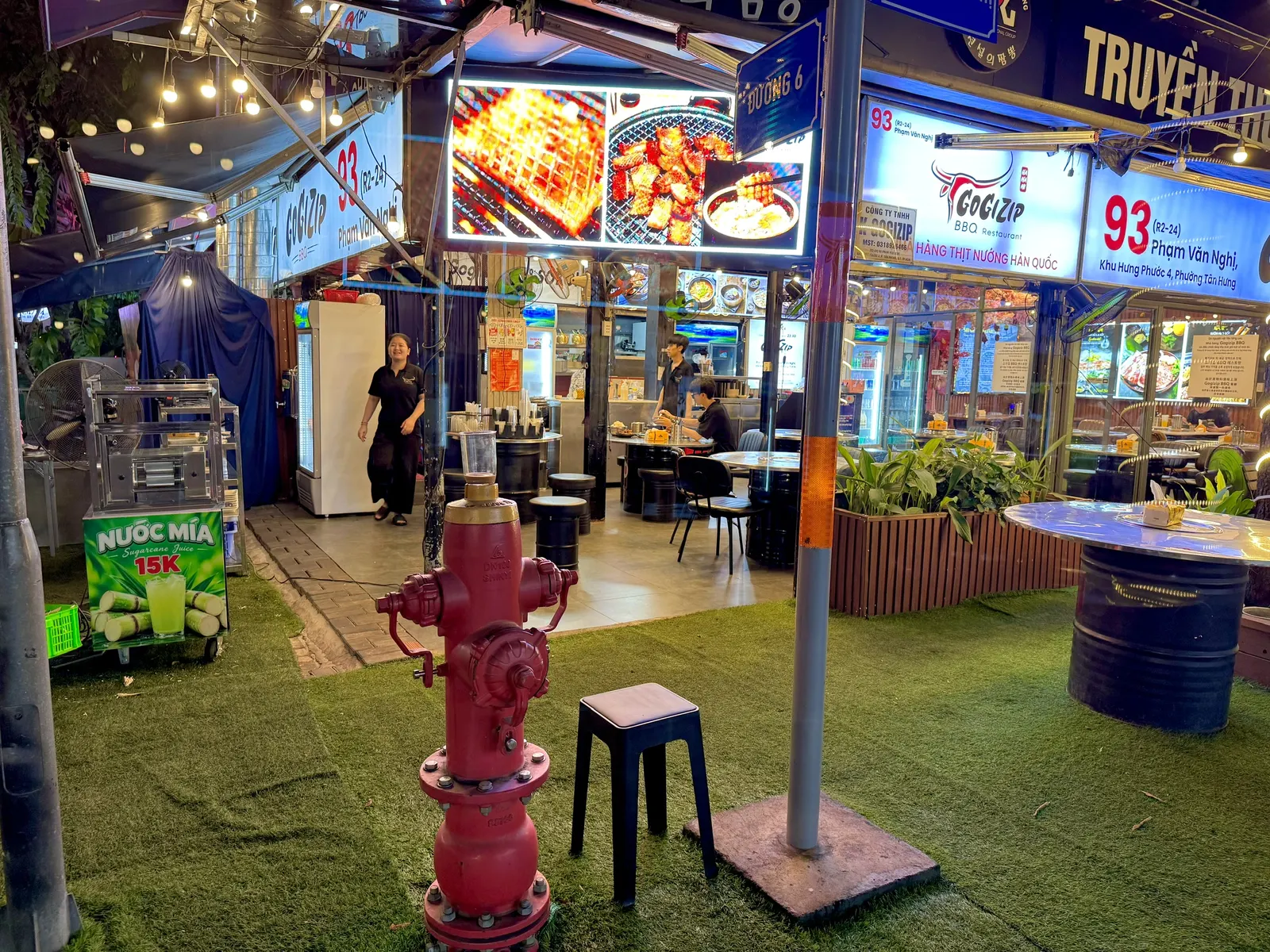
Gogizip is a Korean BBQ restaurant; please see the menu to know which drinks are currently served. Grilled dishes like pork belly, beef skirt and beef top blade suit the Korean style of eating: wrap in leaves, dip in salt or ssamjang.
Frequently asked questions
Is soju strong?
Modern soju is usually about 16–20%, much lighter than many strong liquors, but it is still an alcoholic drink, so drink responsibly.
What is makgeolli?
It is a fermented rice wine, cloudy, sweet-sour, with a light alcohol content of about 6–8%.
Which Korean alcohol is easy for beginners?
Bokbunja-ju or makgeolli are usually easy to drink because they are sweet and low in alcohol.
Do you have to drink alcohol when eating Korean food?
No. You can absolutely have soft drinks, tea or filtered water.
What alcohol goes with grilled meat?
Soju and beer are two popular choices because they cleanse the fatty taste of the meat.
What drinks does Gogizip serve?
Please see the Gogizip menu page to know which drinks are currently served.
Conclusion
Korean alcohol is not only for getting drunk but a way to connect people. Understanding the etiquette and choosing suitable pairings makes the meal more complete. Stop by Gogizip at 93 Pham Van Nghi Street, Phu My Hung Urban Area, Tan Hung Ward, Ho Chi Minh City, open 11:00–23:00 every day. Hotline 0898 611 611. Prices exclude 10% VAT.
Craving Korean BBQ? Gogizip BBQ – 93 Pham Van Nghi, Phu My Hung (District 7), open 11:00–23:00 daily. Combos for 2 from 599k VND, for 4 from 1,159k VND (prices before 10% VAT). 9 free banchan, refilled anytime. Some of our staff speak English.