When people think of Korean food, they often remember kimchi, grilled meat and soju; few mention tea. In fact, Koreans have a rich tea culture, mostly “teas” brewed from grains, fruits, roots and herbs rather than just from tea leaves. This article introduces popular Korean teas such as barley tea (boricha), citron honey tea (yuja-cha), ginseng tea, omija tea and jujube tea, along with how to brew them and when to enjoy them.
Quick summary: Most Korean teas have no caffeine, are made from grains or fruit, and are drunk hot or cold. Boricha is usually drunk with meals. See more grilled dishes on the Gogizip menu.
Korean tea culture
Tea (cha) in Korea has a history of hundreds of years, once tied to Buddhist rituals and the aristocracy. In everyday life, “tea” has a broader meaning: any hot drink brewed from natural ingredients can be called tea. That is why you will find “ginger tea,” “roasted rice tea” and “quince tea” alongside green tea.
History of Korean tea
Tea appeared on the Korean peninsula many centuries ago, closely tied to temples. Monks grew tea, brewed it in rituals and regarded drinking tea as a form of meditation. Under later dynasties, tea was loved by the aristocracy, giving rise to a tea ceremony (darye) with a tea set, water at a suitable temperature and a slow, unhurried way of pouring. Later, because of various historical upheavals, the habit of drinking leaf tea declined, giving way to teas made from grains and fruits, which were easier and cheaper to make, and these became the everyday drinks of Koreans.
Today, regions such as Boseong and Jeju Island are famous for locally grown green tea, attracting visitors to the tea hills. Traditional teahouses in old neighborhoods such as Insadong keep a quiet atmosphere, letting you sip tea with rice cakes.
Popular types of tea
Boricha (barley tea)
Roasted barley simmered in water, golden brown, with a light aroma like roasted corn and no caffeine. Koreans drink boricha with meals like water. It can be drunk hot or cold and is a safe drink even for children.
Yuja-cha (citron honey tea)
Yuja fruit (a type of citrus) preserved in sugar or honey, mixed with hot water. It has a sweet-sour, fragrant taste and is usually drunk in cold seasons to warm up.
Insam-cha (ginseng tea)
Made from Korean ginseng, with a mildly bitter and fragrant taste. It is usually drunk as a tonic, but people with medical conditions or taking medication should ask a doctor.
Omija-cha
Omija fruit, also called the “five-flavor fruit,” has sour, sweet, salty, spicy and bitter tastes. Brewed in cold water, it has a beautiful red color.
Daechu-cha (jujube tea)
Dried red dates simmered with ginger and water, with a mild sweetness, often drunk in winter.
Saenggang-cha (ginger tea)
Sliced ginger simmered with honey or sugar, warming and spicy, often used when the weather is cold.
Ok-susu-cha (corn tea)
Corn silk or roasted corn kernels, naturally sweet, with no caffeine.
Korean green tea (nokcha)
Korean green tea is picked and processed at various levels, from early spring picks with a light, delicate fragrance to later harvests with a stronger taste. Brewing at a temperature lower than boiling keeps the tea from turning bitter. This is the only tea on this list with significant caffeine.
Hyeonmi-cha (roasted brown rice tea)
Roasted brown rice simmered in water, with the aroma of roasted rice and a mild sweet flavor, often drunk with meals like boricha.
Mogwa-cha (quince tea)
Sliced quince preserved in sugar or simmered, with a sweet-sour, fragrant taste, often used in cold seasons.
Tea in a Korean meal
In Korean restaurants, boricha or filtered water is usually served free with meals. After a grilled meal, many people drink sikhye (sweet rice drink) or sujeongwa (cinnamon-ginger punch) to cleanse the palate. You can read more in the articles What is Kimchi and Korean grilled meat culture to understand how Koreans balance a meal.
Tea by season
Koreans choose tea by season to follow nature. In spring they drink freshly picked green tea; in summer they drink cold boricha or omija with ice to cool down; in autumn they drink quince tea and jujube tea; in winter they drink yuja-cha, ginger tea and hot ginseng tea. This choice is similar to how Koreans choose food: cold for summer, hot for winter. You can try this at home as a small habit of self-care.
Tea at Korean cafes
Modern Korean cafes have rich tea menus: yuja-ade (yuja with soda), peach tea, ginger lemon tea, fruit tea. Young people like to photograph beautiful drinks, so many cafes invest in cups and presentation.
How to brew tea at home
- Boricha: simmer about 10–15 grams of roasted barley with 1 liter of water over low heat for 10 minutes, then strain out the grains.
- Yuja-cha: mix 1–2 spoonfuls of citron honey with 200 ml of hot water and stir well.
- Ginger tea: slice a few pieces of ginger, simmer over low heat for 10–15 minutes, and add honey.
- Omija: soak omija in cold water for several hours, strain, and add honey.
Tips for storing and buying tea
- Roasted barley, roasted brown rice, corn silk: keep in a dry place with a tight lid, away from moisture.
- Yuja citron honey: keep cold after opening and use a clean spoon.
- Tea bags: convenient; choose ones with a clear ingredient label.
- Ginseng tea: check the ginseng content and the manufacturer’s origin.
How to make cold boricha
Brew boricha as instructed, let it cool, then put it in the refrigerator. Drunk cold on a summer day, it is quite refreshing, not sweet, and easy to pair with many dishes. If you want a more fragrant flavor, lightly roast the barley in a dry pan before brewing.
Health notes
Although they are natural drinks, herbal teas can still affect medication and medical conditions. People with diabetes should limit types with added sugar; pregnant women and people with cardiovascular disease or high blood pressure should ask a doctor before using ginseng tea.
Other traditional drinks often called “tea”
Sikhye
A drink made from rice and malt, lightly sweet, with a few floating grains of rice, drunk cold after meals. Koreans often drink sikhye after a big feast or at the public bathhouse (jjimjilbang).
Sujeongwa
A drink simmered from cinnamon, ginger and brown sugar, usually served with dried persimmon and pine nuts. It has a spicy-sweet aroma and is drunk cold at Tet.
Misutgaru
A powder of several roasted and ground grains, mixed with cold water or milk, mildly sweet, a filling thirst quencher.
Plum drink (maesil-cha)
Green plums preserved in sugar, mixed with water, sweet-sour, often used to aid digestion after eating a lot.
How tea is served in Korean restaurants
In many Korean restaurants, boiled water or boricha is kept on the table and guests pour it themselves. After a grilled meal, staff may bring hot tea or a soft drink to cleanse the palate. For international guests, Koreans often ask whether you want your water hot or cold, because drinking hot water is quite common in Korea, even in summer. It is an interesting cultural point: Koreans believe drinking hot drinks is good for the body and digestion.
Tea and grilled meat
Rich, strongly flavored grilled meat goes well with barley tea or corn tea because of their light, clean flavor. After a grilled meal, a cup of hot tea makes the stomach feel comfortable. Gogizip is a Korean BBQ restaurant; see the menu to know which drinks are currently served.
Suggestions for pairing tea with a Korean meal
- Rich grilled meat (pork belly, pork jowl): boricha or brown rice tea to cleanse the palate.
- Sweet-marinated grilled beef: light green tea or corn tea.
- Spicy dishes (tokbokki, spicy stir-fried octopus): cold barley tea to soften the heat.
- Hot soups: no extra tea needed; filtered water is enough.
- Dessert: yuja-cha, jujube tea, sikhye or sujeongwa.
You can read more in the articles Korean grilled beef: what is galbi and What is Tokbokki to choose the right drink for each dish.
Tea for people who do not drink alcohol
If you go out with a group that drinks alcohol and you do not, do not hesitate to order tea or filtered water. Koreans respect this, especially when the reason is driving or health. See more about etiquette in the article Korean alcohol.
Frequently asked questions
Does Korean tea have caffeine?
Most grain and fruit teas such as boricha, yuja and omija have no caffeine; green tea does.
When should I drink boricha?
All day, especially with meals, hot or cold.
Is yuja-cha good for the throat?
Many people drink it in cold weather to feel comfortable, but it is not a medicine.
Can people on a diet drink yuja-cha?
The sugar-preserved kind is quite sweet, so watch the amount or choose a low-sugar type.
Where should I buy Korean tea?
At Korean grocery stores or large supermarkets; choose products with a clear label and expiry date.
Does Gogizip serve tea?
Please see the Gogizip menu page to know which drinks are currently served.
Korean tea as gifts and for holidays
Boxes of ginseng tea, citron honey tea and jujube tea are familiar gifts for Tet, Mid-Autumn or for elders. The packaging is usually beautiful, with a message of good health. When choosing a gift, check the expiry date and ingredients, and ask whether the recipient has any medical conditions to watch out for. A small, carefully chosen tea gift is often valued more than an expensive one that does not suit.
Some small stories around the teacup
In Korean culture, offering tea is a way to start a conversation. When a guest comes to the house, the host usually offers a cup of tea or a warm drink before talking. In the office, a morning cup of tea or coffee is a way for colleagues to connect. These small moments show that tea is not just a drink but a gesture of care.
Try a “Korean tea session” with friends
You can hold an afternoon tea session with three kinds: cold boricha, hot yuja-cha and jujube tea, with rice cakes or fruit. Prepare small cups, set the table neatly, and invite everyone to taste and share their impressions. It is a gentle way to learn more about Korean culture without needing alcohol or heavy dishes.
Conclusion
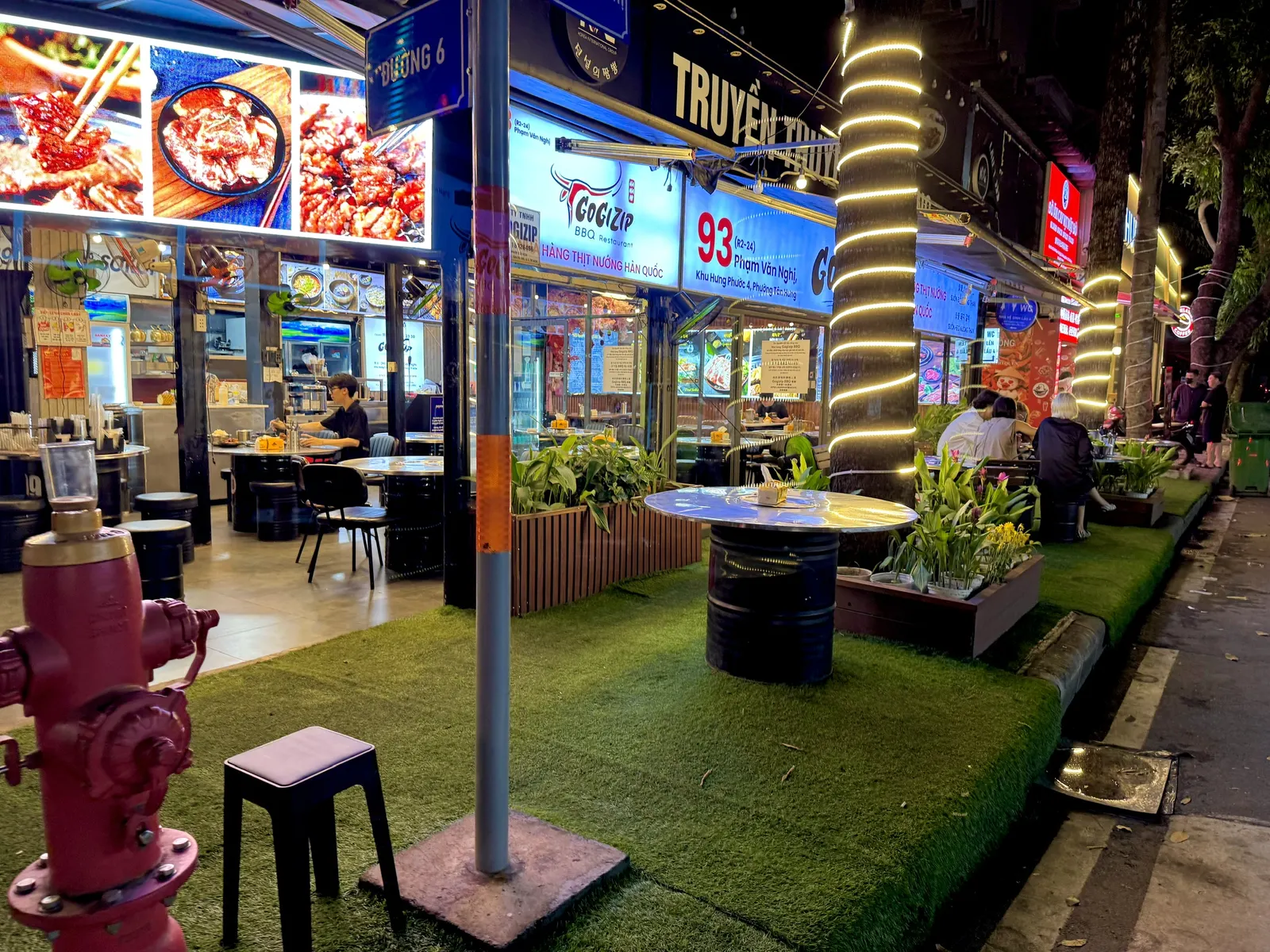
Korean tea is a gentle world of drinks, leaning toward grains and fruit. With just a few ingredients, you can try it at home. If you want a warm Korean grilled meal, stop by Gogizip at 93 Pham Van Nghi Street, Phu My Hung Urban Area, Tan Hung Ward, Ho Chi Minh City, open 11:00–23:00 every day. Hotline 0898 611 611. Prices exclude 10% VAT.
Craving Korean BBQ? Gogizip BBQ – 93 Pham Van Nghi, Phu My Hung (District 7), open 11:00–23:00 daily. Combos for 2 from 599k VND, for 4 from 1,159k VND (prices before 10% VAT). 9 free banchan, refilled anytime. Some of our staff speak English.