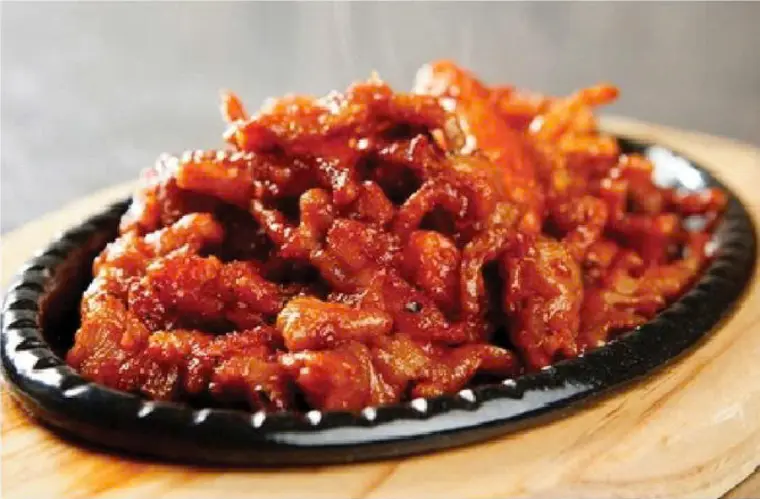
Korean spicy braised chicken feet (dakbal, 닭발) is the most controversial yet most “addictive” dish in Korean cuisine: chicken feet braised or stir-fried in a fiery chili sauce, chewy and gelatinous, soaked with bold sweet-spicy flavor. For anyone who has never tried it, the sight of chicken feet can be intimidating, but for those who have, it is an irreplaceable drinking snack and a dish to share with friends. In Vietnam, chicken feet are already familiar in dishes like deboned chicken feet pickled with lemongrass and kumquat, so many young people find it easy to get used to the Korean version. This article explains what dakbal is, how to eat it, and how to pair it in a BBQ meal.
What is dakbal?
Dak means chicken and bal means feet. Dakbal is chicken feet, usually prepared in two main styles: dakbal bokkeum (stir-fried spicy chicken feet) and jjim dakbal (braised spicy chicken feet). The dish is famous for its intense heat and is even regarded by many as a spice challenge. The sauce coats the feet in glossy, fiery red, seasoned with garlic, gochugaru, gochujang, sugar, and soy sauce. After braising, the chicken feet are tender, the skin chewy and gelatinous, the cartilage lightly crunchy, and the meat easy to separate from the bone.
Many Koreans consider dakbal a stress-relief food. The fiery heat makes diners sweat and releases endorphins, creating a feeling of excitement. That is why you often see groups of young friends sitting around a plate of blazing red dakbal, gasping as they eat and drinking cold water.
Origins of spicy chicken feet
Chicken feet were once a discarded part or used for broth. In hard times, people made use of every part of the chicken and gradually discovered how to prepare chicken feet deliciously with a bold spicy sauce. From a few small stalls in a Seoul market, the dish slowly spread and became a specialty of late-night drinking spots. Thanks to the Korean wave, dakbal now appears across Asia and is loved by young people as a culinary challenge.
Signature flavor and texture
- Spicy: fiery, usually at a fairly high level compared with typical Korean dishes.
- Sweet: sugar balances the heat and makes the sauce glossy and fragrant.
- Deeply salty: soy sauce and gochujang add depth.
- Texture: chewy skin, lightly crunchy cartilage, little meat, but a very fun chew.
Chicken feet in Asian cuisine: why Vietnamese diners adapt easily
Chicken feet are no stranger in Asia. Cantonese cuisine has phoenix claws steamed with black bean sauce, braised chicken feet tender in dim sum. Vietnamese cuisine has deboned chicken feet pickled with lemongrass and kumquat, grilled chicken feet, chicken feet braised in herbal medicine, and lemongrass-chili chicken feet. Thai cuisine has chicken feet in spicy salad. Korea’s dakbal belongs to this family but differs in its sauce: red, glossy, and sweet-spicy in the gochujang style. That is why Vietnamese diners usually warm up to it quickly, since they are already used to the chewy texture of chicken feet and only need to get used to the sauce.
Another interesting difference is how it is eaten. In Vietnam, chicken feet are often deboned or pickled sweet and sour, eaten delicately. In Korea, braised or stir-fried chicken feet come with the bones, and diners wear plastic gloves to pick them up, gasping as they eat. The “eat the meat, spit the bones” experience is part of the fun and the bonding, since everyone sits around a large plate with sauce-smeared hands, chatting as they eat.
Why is it called “addictive”?
The fiery heat stimulates the brain to release endorphins, bringing excitement and making you want more. The chewy texture is a fun contrast to ordinary soft meat. The bold sweet-spicy sauce leaves an unforgettable aftertaste. Add the challenge factor: who can handle more heat, who can eat more. All of this makes dakbal a social dish: eaten in a group, playful and full of laughter.
How to eat spicy chicken feet the proper way
- Use your hands (with gloves): many Korean restaurants provide plastic gloves so you can pick up the chicken feet by hand.
- Bite off the skin and cartilage, spit out the bones: don’t swallow bones; just chew the meat and skin.
- Pair with steamed eggs or cheese: to soothe the heat.
- Drink cold water or milk: milk reduces heat more effectively than plain water.
- Eat slowly: don’t eat too fast; the heat can build up and make you choke.
What goes into the sauce for braised chicken feet
The fiery red sauce of dakbal combines many ingredients. Korean chili powder (gochugaru) gives a beautiful red color and fragrant heat. Gochujang chili paste gives thickness and umami. Plenty of minced garlic adds a strong aroma. Ginger removes odors. Soy sauce and sugar balance salty and sweet. Syrup or honey makes the sauce glossy. Sesame oil adds fragrance. Sometimes onion, scallions, and fresh chili are added for extra heat.
The chicken feet are cleaned, the nails trimmed, and briefly boiled with ginger and rice wine to remove odor before being braised or stir-fried with the sauce. This step is important because chicken feet that are not treated carefully will smell and ruin the whole dish. Some restaurants braise the feet until the cartilage is meltingly soft and the sauce thickens, clinging evenly to each foot, looking glossy red and very appetizing.
Can you choose the spice level?
Many restaurants let you adjust the heat: mild, medium, or fiery. If you’re not sure, ask the staff and start at a moderate level. Spiciness is subjective; those used to it will find it fine, while newcomers may find it very hot. Don’t hesitate to ask for less heat, because the goal is to enjoy the food, not to challenge yourself.
Tips for beginners to reduce the heat
- Order it with Steamed Eggs; the soft, mellow flavor neutralizes the heat very well.
- Eat with white rice or lettuce to soothe.
- Drink cold milk or yogurt, and avoid drinking too much iced water.
- Take small bites at first to get used to it.
- If you can’t handle the heat, switch to another dish such as seaweed soup.
Braised vs. stir-fried spicy chicken feet: what is the difference?
The two methods give two different experiences. Braised chicken feet (jjim) are simmered soft in the sauce, the sauce thick, the skin and cartilage very tender, almost melting in the mouth. Stir-fried chicken feet (bokkeum) are stir-fried over high heat with spicy sauce, keeping more chew and crunch, a little drier and bolder in flavor. Those who like soft choose braised; those who like chewy choose stir-fried. Both are spicy; the difference is in texture.
At Gogizip, the Spicy Braised Chicken Feet come with a bold sauce and a balanced sweet-spicy flavor, ideal for sharing among friends. If it’s your first time, order one portion and eat it with milder dishes to enjoy it fully without overdoing it.
Arranging your dishes so spicy chicken feet won’t overwhelm you
- Start with light dishes: steamed eggs, dumplings, or salad to warm the stomach.
- Grilled meat in the middle: eat pork belly or beef to build a base of protein before the spice.
- Spicy chicken feet after that: with food in the stomach, the heat is more bearable.
- Finish with something cooling: cold noodles or soup to soothe. See Korean cold noodles.
Spicy chicken feet in a BBQ meal
In a BBQ meal, spicy braised chicken feet play the role of the “spicy headliner” for those who like a challenge. The strong heat highlights the sweet richness of grilled pork or beef. However, order this dish in moderation and arrange it sensibly: eat the chicken feet after lighter beef, and alternate with mild dishes such as steamed eggs or soup. If the group is not used to spice, order just a small portion to try. See also the menu of dishes.
Who are spicy chicken feet for?
This dish suits groups of adventurous young friends, people who enjoy eating spicy food, or those already used to Vietnamese-style chicken feet who want to try the Korean version. It is not suited to small children, people with weak stomachs, or those who dislike dishes with lots of skin and tendon. For a large group, order one portion for everyone to taste, and order more if people like it. For couples, one small portion is enough to try and compare tastes.
The important thing is that you don’t need to conquer this dish to be considered a “Korean food connoisseur.” The Gogizip menu has many other dishes to discover, from Pork Belly and Kimchi Soup with Pork to Tokbokki. Choose what suits your taste, enjoy yourself, and let spicy chicken feet be an extra experience in your meal if you like.
Health notes when eating spicy food
Eating too much spicy food can irritate the stomach, especially for people with ulcers or reflux. Don’t eat it on an empty stomach. Small children, pregnant women, and people with digestive problems should think twice. Drink enough water and avoid combining too much alcohol with fiery dishes.
Spicy chicken feet: beliefs and misconceptions
Many people think chicken feet are dirty, but in reality, quality chicken feet are cleaned, nail-trimmed, and briefly boiled before cooking. At restaurants, the prep process is usually very thorough. Another belief is that chicken feet have no nutritional value; in fact, chicken feet contain plenty of natural collagen, tendon, and cartilage, but remember it is a spicy, heavily seasoned dish, so moderate portions make sense. Another misconception is that chicken feet are only for people with a high spice tolerance, when you can perfectly well enjoy a small amount with mild sides.
What matters is respecting your own palate. If you find it doesn’t suit you, don’t force yourself; the restaurant has many other dishes to choose from. But if you’re curious, one try is worth it to find out whether you are a “spicy chicken feet fan.”
Drink suggestions for spicy chicken feet
Cold fizzy water, iced tea, drinkable yogurt, or cold milk are choices that help reduce the heat. Avoid drinking too much alcohol at the same time as fiery dishes, as it can irritate the stomach. If you like to pair Korean drinks, read more about makgeolli, a mild, sweet rice wine that goes well with spicy food.
Frequently asked questions about spicy braised chicken feet
What is dakbal?
It is a Korean chicken feet dish, usually braised or stir-fried in a bold chili sauce.
Are spicy braised chicken feet very hot?
Usually fairly hot. Newcomers should eat them with steamed eggs, rice, or milk to soothe the heat.
Do chicken feet have a lot of meat?
Not much meat; mostly skin, tendon, and cartilage, so the chewy texture is the main sensation.
When should I eat spicy chicken feet?
Usually as a drinking snack or nibble with friends, alternating with grilled meat.
Does Gogizip have spicy braised chicken feet?
Yes. Gogizip serves Spicy Braised Chicken Feet on the menu.
Is eating spicy chicken feet good for you?
It is delicious but spicy and heavily seasoned, so eat in moderation, especially if you have a sensitive stomach.
Hygiene and safety when eating chicken feet
When eating chicken feet by hand, use disposable plastic gloves or wash your hands thoroughly beforehand. Prepare extra tissues, wet wipes, and a small plate for the bones. Avoid letting bones fall on the floor if small children are with you. After eating, rinse your mouth with water to remove the lingering heat and sauce.
For food safety, choose a reputable restaurant where the chicken feet are cleaned thoroughly and cooked through. Chicken feet should not be left out at room temperature for too long. If your stomach feels uncomfortable after eating, drink warm water, rest, and contact a medical professional if symptoms persist.
If you have questions about the spice level or allergens, don’t hesitate to call the hotline 0898 611 611 before you visit. Gogizip staff will guide you in choosing dishes that suit the whole group.
Conclusion
Spicy braised chicken feet are for those who love to explore and challenge their palate. Try it at Gogizip, 93 Đ. Phạm Văn Nghị, Khu đô thị Phú Mỹ Hưng, Tân Hưng, Ho Chi Minh City. Prices exclude 10% VAT.
Craving Korean BBQ? Gogizip BBQ – 93 Pham Van Nghi, Phu My Hung (District 7), open 11:00–23:00 daily. Combos for 2 from 599k VND, for 4 from 1,159k VND (prices before 10% VAT). 9 free banchan, refilled anytime. Some of our staff speak English.