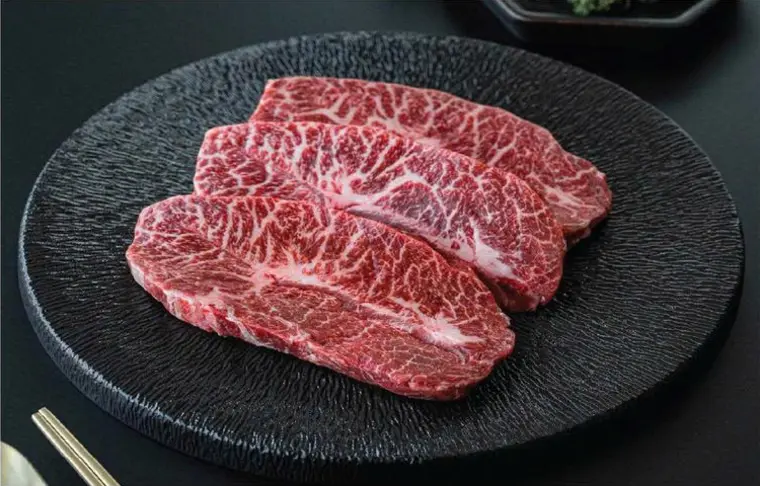
Bulgogi (불고기, literally “fire meat”) is thinly sliced beef marinated in soy sauce, sugar, sesame oil, garlic and scallions, then grilled or stir-fried in a hot pan. The meat has a balanced sweet-savory flavor, smells of sesame oil and is tender thanks to a long enough marinade. It is one of Korea’s most famous beef dishes and is perfect for people new to Korean cuisine because the flavor is easy and not spicy.
This article explains what bulgogi is, how to choose the meat, a basic marinade recipe, the secrets to tender meat, how to grill it and how to eat it. You will also learn how bulgogi differs from galbi and from ordinary grilled beef.
What is bulgogi? The origin of the name
“Bul” means fire and “gogi” means meat, together meaning “fire-grilled meat.” The traditional preparation is thinly sliced beef, marinated in a sweet-savory sauce, then grilled on a grill or a cast-iron pan. Today bulgogi is also cooked stir-fry style in a pan with a little sauce and eaten with rice, or added to a bulgogi hot pot (bulgogi jeongol) with glass noodles and vegetables.
What defines this dish is not the grilling method but the marinade. Bulgogi marinade leans toward a light sweetness with garlic and sesame oil, so the meat is easy to eat even for young children and people who cannot handle spice.
How is bulgogi different from galbi and from ordinary grilled beef?
| Dish | Cut | Preparation |
|---|---|---|
| Bulgogi | Thinly sliced beef (sirloin, shoulder, belly…) | Marinated in a sweet-savory sauce, grilled quickly or stir-fried |
| Galbi | Beef ribs, usually bone-in or cut butterfly-style | Marinated similarly but grilled whole, for longer |
| Unmarinated grilled beef | Premium cuts such as skirt and top blade | Grilled plain, dipped in salt and sesame oil |
If you want to understand ribs better, read Korean grilled beef: telling apart galbi, LA galbi and American beef cuts. With bulgogi, the meat is sliced thin so it absorbs the seasoning very quickly, while with premium whole cuts of beef, Koreans usually eat them lightly seasoned to keep the natural sweetness of the meat.
Which meat should you use for bulgogi?
Bulgogi meat needs some marbling so it does not dry out when grilled quickly. Some suitable cuts:
- Striploin or tenderloin: tender, with little sinew, but more expensive.
- Shoulder or top blade: lightly marbled, sweet and tender, and a choice many families use.
- Beef belly: richer and more aromatic, good for those who like a fatty flavor.
- Pre-sliced shabu-style or thin-sliced meat: convenient for busy people.
Cutting tip: if you buy a whole block, put the meat in the freezer for about 30 to 45 minutes to firm it up slightly, then slice it across the grain into thin slices about 2 to 3 mm thick. Slicing across the grain makes the meat more tender when chewed.
A basic bulgogi marinade recipe for 500 g of meat
This is a popular reference recipe, and you can adjust it to your family’s taste:
- 500 g thinly sliced beef
- 4 tablespoons soy sauce
- 2 tablespoons sugar (brown or white sugar)
- 1 tablespoon sesame oil
- 1 tablespoon minced garlic
- 1/2 onion, thinly sliced or grated
- 1 scallion, finely chopped
- 2 to 3 tablespoons grated or blended pear or apple (or pear juice)
- 1 teaspoon toasted sesame seeds and a little ground pepper
Mix the marinade ingredients together first, then add the meat and gently massage it by hand so it soaks in. Keep the meat in the refrigerator for at least 30 minutes, ideally 2 to 4 hours. If you marinate overnight, reduce the soy sauce a little so the meat is not too salty.
Why do Koreans add pear to the marinade?
Korean pear (Asian pear) or apple contains enzymes that tenderize meat and add a natural light sweetness. In Vietnam, you can substitute pear, apple or a very small amount of pineapple juice. Be careful not to add too much and not to marinate too long with pineapple, or the meat will turn mushy and lose its natural chew.
How to grill bulgogi properly
- Heat the pan or grill thoroughly. The pan must be hot before adding the meat so the edges caramelize and the juices stay in.
- Do not add too much meat at once. Crowded meat releases liquid and gets boiled instead of grilled.
- Grill quickly. Thin slices need only about 1 to 2 minutes per side, until the surface turns brown and slightly charred.
- Add more seasoning if needed. If stir-frying, you can add a bit of the leftover marinade and cook until lightly thickened.
- Serve right away. Bulgogi is best hot, with the fat aromatic and the sauce still glossy.
Note: the marinade contains sugar, so it burns easily. If grilling over charcoal, keep the heat medium and flip often.
What do you eat bulgogi with?
Koreans usually eat bulgogi in several ways:
- With white rice: spoon the meat with a little sauce over hot rice.
- As a ssam wrap: wrap the meat with rice, garlic and a little ssamjang in a lettuce or perilla leaf. You can find more about wrapping in the article on banchan and side dishes for grilled meat.
- Bulgogi bibimbap: top mixed rice and vegetables with the meat and gochujang chili paste.
- Bulgogi with glass noodles: cooked in a small hot pot with glass noodles, mushrooms and scallions.
It is usually served with kimchi, pickled onions in vinegar, salted cucumber or pickled radish to balance the sweet richness of the meat.
Common mistakes when making bulgogi at home
- Tough meat: caused by slicing with the grain, slicing too thick or grilling too long.
- Meat that is too salty: caused by marinating too long with a lot of soy sauce. Reduce the soy sauce and add a little pear juice.
- Meat that releases a lot of liquid and does not caramelize: caused by a pan that is not hot enough or too much meat at once.
- Burnt black outside, raw inside: caused by heat that is too high and a sugary marinade. Lower the heat and grill in smaller batches.
Storing marinated bulgogi
Marinated meat can be kept in the refrigerator for about one to two days. If you want to prepare ahead, divide the meat into portions in zip bags, press them flat and freeze. When ready to use, thaw in the refrigerator and then grill. Do not leave marinated meat at room temperature for too long.
Bulgogi and enjoying grilled beef at a restaurant
When you eat grilled beef at a restaurant, you will notice the approach is a bit different from bulgogi at home: premium cuts of beef are usually grilled whole, lightly seasoned, then dipped in salt and sesame oil. The proper way many Koreans like is to start with the best cuts such as skirt, top blade and rib finger meat, and only then get to sliced beef belly. Strong charcoal heat for about one minute per side, grilled to medium, is the best. You can see the beef dishes on the Gogizip dishes menu, for example Top Blade, Beef Outside Skirt or Beef Rib Finger Meat.
Popular bulgogi variations
From the original recipe, Koreans have developed many variations to suit different occasions:
- Dwaeji bulgogi (pork bulgogi): uses thinly sliced pork marinated with gochujang and chili flakes, so it is red, mildly spicy and goes great with rice.
- Bulgogi jeongol (bulgogi hot pot): marinated beef arranged in a shallow pot with mushrooms, onions, carrots and glass noodles, with a lightly sweet broth poured in and cooked right at the table. This is a good dish for large groups.
- Bulgogi bibimbap: stir-fried meat placed on rice with vegetables, an egg and chili paste, mixed together before eating.
- Bulgogi kimbap: stir-fried meat used as the filling for seaweed rice rolls, convenient for picnics or lunch.
- Bulgogi burger or sandwich: a modern variation, stuffing bulgogi into bread or a burger bun, very popular with young people.
What these variations have in common is that the meat is always fully seasoned beforehand, so cooking only needs to be quick. That is also why bulgogi is so suitable for anyone who wants to cook a Korean meal without spending too much time.
Suitable equipment for grilling bulgogi
You do not need special equipment to make bulgogi, but choosing the right tools helps the meat caramelize nicely and not get boiled:
- Cast-iron pan or a thick-bottomed non-stick pan: holds heat well so the meat browns evenly. This is the easiest option in a home kitchen.
- Domed grill pan (Korean-style stove pan): fat and sauce run down to the rim so the meat is not sitting in liquid. The rim can also be used to cook eggs or vegetables.
- Charcoal grill or tabletop electric grill: gives a fragrant smoky flavor and the distinctive gathering atmosphere, but needs good ventilation.
- Tongs and scissors: Koreans often cut the meat into bite-sized pieces right in the pan with scissors, which is fast and tidy.
Suggestions for a complete bulgogi meal at home
If you want to put together a Korean-style meal centered on bulgogi, try the following suggestions for 3 to 4 people:
- Main dish: about 600 to 800 g of marinated beef bulgogi.
- Hot white rice: short-grain sticky rice or ordinary white rice both work.
- Wrapping greens: lettuce, perilla leaves, sliced cucumber, sliced garlic and green chili.
- Dipping sauce: ssamjang or sesame salt, with a little sesame oil if you like.
- Banchan: napa cabbage kimchi, pickled radish, seasoned bean sprouts, pickled onions in vinegar.
- Soup: a bowl of seaweed soup or kimchi soup will balance the meal. You can read Korean soups and stews to choose the right dish.
The usual way to eat is to pick up a slice of bulgogi, place it on a lettuce leaf, add a little rice, garlic and ssamjang, then wrap it up neatly and put it in your mouth in one go. This balances the sweet-savory flavor of the meat with the freshness of the greens, so you can eat a lot without feeling heavy.
Bulgogi in Korean meals
Bulgogi is a familiar dish at family meals, at gatherings and even in students’ lunchboxes. Because its sweet-savory flavor is easy to enjoy, it is usually the dish chosen when there are foreign guests or when the family has young children. Many Korean restaurants see bulgogi as the “opening” dish for newcomers to Korean cuisine, before they explore bolder flavors such as kimchi jjigae or spicy dishes. If you are new, bulgogi is a very safe place to start.
The great thing about this dish is its flexibility: with the same marinade recipe, you can grill, stir-fry, make a hot pot or roll it in a wrap. That is also why bulgogi easily becomes a signature dish for many people when they cook at home.
Food safety notes when marinating meat
- Always marinate meat in the refrigerator, and do not leave it at room temperature for too long, especially in hot climates.
- Use a separate container or bag for raw meat, and wash your hands and utensils after touching it.
- Do not reuse marinade that has touched raw meat as a dip for cooked meat unless it has been boiled thoroughly.
- Cook the meat thoroughly according to your family’s safety preferences, especially when cooking for young children, older adults or pregnant women.
These notes are simple but make a family meal safer. If you do not have time to prepare, you can always go to a restaurant to enjoy grilled beef the proper way without worrying about marinating and cleaning up.
Enjoy it at GogizipBBQ
Address: 93 Pham Van Nghi Street, Phu My Hung Urban Area, Tan Hung Ward, Ho Chi Minh City.
Open 11:00 – 23:00 daily. Hotline: 0898 611 611.
Menu prices exclude 10% VAT.
Frequently asked questions about bulgogi
Is bulgogi spicy?
Traditional bulgogi is not spicy. The main flavors are sweet-savory, with garlic and sesame oil. If you want heat, you can dip it in chili paste or eat it with kimchi.
How long should you marinate bulgogi?
At least 30 minutes, usually 2 to 4 hours. Overnight is fine, but reduce the soy sauce so the meat is not too salty.
What can I use instead of pear?
You can use grated apple or apple juice. A little pineapple juice also tenderizes meat, but use only a small amount and do not marinate too long.
How is bulgogi different from galbi?
Bulgogi is thinly sliced beef marinated in a sauce, then grilled or stir-fried quickly. Galbi is beef ribs, usually grilled whole and for longer.
What is the best thing to eat with bulgogi?
Eating it with white rice, wrapped in lettuce or perilla leaves, with kimchi and pickled onions in vinegar is the most popular and easiest way.
Can I use pork to make bulgogi?
Yes. Koreans call it dwaeji bulgogi, usually marinated with chili flakes or gochujang, so it is spicier than the beef version.
Craving Korean BBQ? Gogizip BBQ – 93 Pham Van Nghi, Phu My Hung (District 7), open 11:00–23:00 daily. Combos for 2 from 599k VND, for 4 from 1,159k VND (prices before 10% VAT). 9 free banchan, refilled anytime. Some of our staff speak English.
Comments
2 responses to “What Is Bulgogi? How to Marinate Tender, Sweet Korean Beef at Home”
[…] Bulgogi (불고기) – thinly sliced marinated beef. See what is bulgogi. […]
[…] 3 tbsp soy sauce, 1 tbsp sugar, ¼ grated pear, 2 minced garlic cloves, 1 tbsp sesame oil, spring onion, pepper. This is the base of bulgogi and galbi. See also what is bulgogi and how to marinate Korean beef. […]