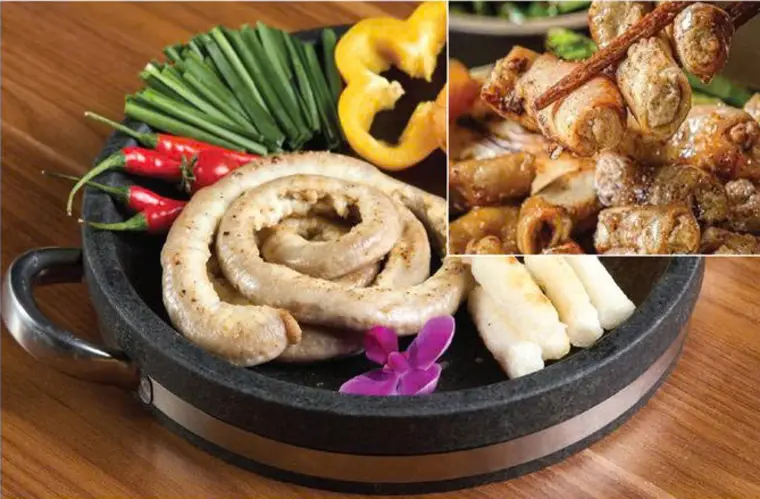
Korean grilled offal, commonly called gopchang (곡창), is a much-loved branch of Korean BBQ culture. For Koreans, beef and pork intestines grilled over glowing charcoal are the “pinnacle” of a night out drinking: crisp and chewy outside, rich and fatty inside, hard to resist when dipped in salt and pepper or ssamjang and wrapped in greens. For Vietnamese diners, eating offal is nothing unfamiliar thanks to dishes like grilled intestines, stir-fried intestines with pickled mustard greens, and phá lấu, so this group of dishes is very easy to get used to. This article explains what gopchang is, the popular types of grilled offal, how to grill them, and how to enjoy them.
📍 Want to try it in Saigon? Gogizip is a charcoal Korean BBQ in Phu My Hung, District 7: grilled at your table, 9 free refillable banchan, sets for 2 from 599k VND, English menu. Book a table
What is gopchang?
In Korean, gopchang refers to the small intestine of beef or pork, but in practice the word is used for grilled offal dishes in general. The word gop means fat or richness, referring to the layer of fat inside the intestine that makes it so rich when grilled. Gopchang specialty restaurants in Korea usually serve many kinds: small intestine, large intestine, stomach, tripe, heart, and liver, each with a different texture and flavor.
This dish is tied to Korean drinking culture: sitting around a charcoal grill, cooking piece by piece, drinking soju or beer, and chatting late into the night. So in the minds of many Koreans, gopchang is a dish for relaxing evenings, for coworkers and friends.
Popular types of grilled offal
- Gopchang: small intestine, with rich fat inside that melts out and smells wonderfully rich when grilled.
- Daechang: large intestine, thick, chewy and crisp, with a deep rich flavor.
- Makchang: the end part of the large intestine, crunchier and slightly chewier.
- Yangjigogi (yang): beef stomach, crunchy and chewy.
- Chadolbaegi: thinly sliced beef brisket, not offal but often eaten alongside.
- Sundae: Korean blood sausage, eaten on its own or stir-fried.
Origins and culture of gopchang in Korea
In Korea, beef and pork offal were once cheap cuts, often regarded as food for laborers. After the war, when food was scarce, people made use of every part of the animal, and grilled, stir-fried, and braised offal gradually evolved into delicious dishes. Streets specializing in gopchang sprang up in Seoul, Daegu, and many other cities, becoming familiar gathering spots for office workers after work.
Today, gopchang is no longer a cheap food but a distinct culinary style. Gopchang restaurants are usually busy in the evening, with charcoal smoke rising, soju glasses clinking, and lively chatter. Some cities are famous for their own gopchang style, for example Daegu, with gopchang eaten with grilled onions and a special dipping sauce. This shows that grilled offal has been elevated into a true food culture.
Gopchang and drinking: a familiar pair
The rich fattiness of offal pairs well with lightly alcoholic or fizzy drinks. Koreans usually drink soju, beer, or makgeolli with gopchang. If you don’t drink alcohol, soda or cold tea both help cut the richness. Learn more about Korean drinks in the article Korean liquor: soju and makgeolli.
Why do so many people love grilled offal?
There are three reasons. The first is texture: grilled offal has a crisp chewiness hard to find in ordinary meat, making it fun to chew. The second is flavor: the fat inside melts onto the charcoal, giving off a rich aroma and an irresistibly fatty taste. The third is the social factor: this dish is grilled slowly and eaten slowly, with the whole group sitting to grill and talk, creating a bonding atmosphere.
How to grill offal well
- Clean it thoroughly: offal needs to be washed carefully and deodorized with salt, ginger, and rice wine.
- Grill over medium heat: offal with fat flares up easily, so grill over low flame and keep watch.
- Fat side down first: so the fat renders out and gives a golden color.
- Flip when golden: grill until the outside is lightly crisp and the inside is cooked tender.
- Cut into small pieces with scissors: staff usually cut it for you, but you can cut it to a bite size yourself.
- Eat right away: cold offal turns tough and loses its flavor.
Tips for choosing and recognizing good offal
When dining at a restaurant, you can recognize good offal by a few signs. A fresh color, without grayish or unusual discoloration. A clean smell, without a strong stench. A surface that is not slimy and without odd liquid. When grilled, the intestines cook evenly, the rendered fat is clear, and it gives off a natural rich aroma. If there is a foul smell or a strange bitter taste, it is a sign of poor preparation or non-fresh ingredients.
For beef intestines, the fat inside is the soul of the dish. Too much fat makes the dish greasy, too little makes it dry. Restaurants usually balance this by choosing intestines with a moderate amount of fat. When grilling, the fat renders out and makes the charcoal smoke, so grill over low heat, placed a little away from the main heat source.
A few common mistakes when grilling offal
- Grilling over too-high heat makes the fat catch fire, leaving the piece charred outside and not yet cooked inside.
- Flipping too early makes the intestine stick to the grate and tear.
- Grilling too long makes the intestine tough as rubber.
- Cutting pieces too large means the inside does not cook evenly.
What to eat it with: dipping sauces and greens
Fatty offal needs sourness, spice, and freshness for balance. Salt and pepper or sesame salt is the simplest dip, highlighting the richness of the intestines. Ssamjang adds depth and a bit of heat. Grilled garlic, vinegar-pickled onion, crisp kimchi, and perilla leaves for wrapping create a clean flavor. You can read more about dipping in the article Korean BBQ dipping sauces and about wrapping in the article on ssam.
Korean beef intestines versus Vietnamese-style grilled intestines
Vietnamese diners are already familiar with many intestine dishes: boiled pork intestines dipped in shrimp paste, grilled intestines with lemongrass and chili, stir-fried intestines with pickled mustard greens, and phá lấu. Korean-style grilled beef intestines differ in the marinade and the way of eating. Korean intestines are usually grilled directly on a charcoal grate with little marinade, mainly to enjoy the natural richness of the intestines, dipped in salt and pepper or ssamjang. Vietnamese intestines are usually marinated boldly with lemongrass, chili, and fish sauce, so the flavor is stronger. The two styles complement each other, and if you love intestines, trying both is great fun.
Another difference is what you eat them with. The Korean style wraps the intestines in lettuce, perilla leaves, garlic, and ssamjang. The Vietnamese style is eaten with fresh herbs, cucumber, bread, or rice. Either way is delicious, but eating Korean-style at Gogizip gives you a more complete meal experience.
Offal and grilled meat: how to arrange them?
A sensible order is to eat the boldly flavored meat first and offal after, or the reverse according to your taste. Many people like to eat offal last because the deep richness ends the meal so completely. However, if you worry about offal smell clinging to the grill, grill the offal last so the earlier meat is not affected. At Gogizip, you can order beef intestines alongside cuts of beef to try two different textures.
Ordering suggestions for each group
Close friends
Order the intestine set so the whole group can taste several kinds, with extra beef for a change of texture. Cool drinks and a few light dishes like steamed eggs will balance the meal.
Couples
A small portion of intestines with a combo for two is enough. Choose the air-conditioned area if you worry about smoke clinging to your clothes. See photos of the seating areas on the space page.
Families with older adults
Chewy, crisp beef intestines can be hard to chew with weak teeth. Cut them small and choose softer cuts of beef such as skirt or top blade. See Beef Outside Skirt and Top Blade.
Offal and health: what to know
Offal is rich in iron, vitamin B12, and protein, but also rich in cholesterol and purines. A moderate amount in one meal is reasonable, but it should not be eaten often in large quantities. Combining it with plenty of greens, kimchi, and sugar-free drinks is more balanced. People with underlying conditions should consult a doctor.
Things to note when eating offal
Offal contains a lot of cholesterol and purines, so people with gout, high blood lipids, or cardiovascular disease should limit it or consult a doctor. It must be grilled thoroughly for food safety. Pregnant women and small children should think carefully. Choose a reputable restaurant with reliable ingredient sourcing and preparation.
Grilling offal at a restaurant instead of at home
Grilling offal at home is usually difficult because of the smell, smoke, and preparation steps. At a restaurant, you enjoy pre-cleaned ingredients, a dedicated charcoal grill, a smoke extraction system, and experienced staff to guide you. You only need to focus on grilling, eating, and chatting. For first-timers trying grilled intestines, this is the safest and most comfortable way.
At Gogizip, the airy outdoor area lets smoke and smell disperse quickly, while the air-conditioned area suits you if you want more privacy. Whichever area you choose, tell the staff it is your first time eating offal so they can guide you on grilling times.
What to prepare for grilled offal?
- Wear breathable clothes that are easy to wash, since charcoal smoke clings to fabric.
- Bring wet wipes, mouthwash, or mints.
- Don’t go too hungry; have a light dish first.
- Order vegetables and kimchi to balance.
Frequently asked questions about Korean grilled offal
What is gopchang?
It is Korean grilled small intestine and offal, famous for its rich fattiness and crisp, chewy texture.
Does grilled offal smell bad?
If properly prepared, offal does not smell bad but rich and fragrant. Reputable restaurants treat it carefully with salt, ginger, and rice wine.
How long does it take to grill offal?
Depending on the type, usually a few minutes per side, until golden and lightly crisp outside.
What do you dip offal in?
Salt and pepper, sesame salt, or ssamjang, with grilled garlic, pickled onion, and kimchi.
Does Gogizip have beef intestines?
Yes. Gogizip serves Grilled Beef Intestine and the Assorted Korean Grilled Beef Intestines Set.
Who should not eat a lot of offal?
People with gout, high blood lipids, or cardiovascular disease should limit it or consult a doctor.
Some useful offal terms when ordering
When reading a Korean menu, you may come across these words. Gopchang is small intestine, daechang is large intestine, makchang is the end of the large intestine, yang is beef stomach, chadolbaegi is thinly sliced beef brisket, and sundae is blood sausage. Knowing these words helps you order with confidence and ask staff the right questions about crispness, richness, or grilling method. If you are unsure, ask the staff to recommend a less fatty, easy-to-eat cut for your first time.
In addition, Korean menus often describe doneness: raw, medium, well-done. With offal, it is always best to grill it thoroughly for safety. Grill until the intestine is golden, the wall lightly crisp, and the clear fat has rendered out before eating.
Understanding and respecting the ingredients makes a meal more meaningful. Every part of the animal has its own culinary value, and Korean food culture is proof of that. Next time you visit Gogizip, don’t hesitate to try a portion of beef intestines; you might just find a new favorite.
Conclusion
Grilled offal is an exciting part of Korean BBQ culture: rich, crisp, bold, and perfect for sharing. Try it at Gogizip, 93 Đ. Phạm Văn Nghị, Khu đô thị Phú Mỹ Hưng, Tân Hưng, Ho Chi Minh City. Prices exclude 10% VAT.
Craving Korean BBQ? Gogizip BBQ – 93 Pham Van Nghi, Phu My Hung (District 7), open 11:00–23:00 daily. Combos for 2 from 599k VND, for 4 from 1,159k VND (prices before 10% VAT). 9 free banchan, refilled anytime. Some of our staff speak English.