Put a roll of kimbap next to a roll of maki sushi and many people will think they are the same dish. Both have seaweed on the outside, rice in the middle and fillings rolled up inside. However, Korea’s kimbap (김밥) and Japan’s sushi differ quite clearly in how the rice is seasoned, the type of filling, how they are eaten and the role they play in a meal. This article helps you tell the two apart, understand their origins, and know when to choose which.
Quick summary: Kimbap rice is seasoned with sesame oil and salt, the fillings are varied and cooked, and it is eaten as a filling dish or taken on picnics. Sushi rice is seasoned with vinegar, sugar and salt, and leans toward raw fish and fresh seafood. To try other Korean dishes, see the Gogizip menu.
What is kimbap?
Kimbap is Korea’s seaweed rice roll. “Kim” means dried seaweed and “bap” means rice. Plain white rice is mixed with sesame oil and a little salt, spread over a sheet of seaweed together with fillings such as carrots, cucumber, yellow pickled radish, rolled egg, ham, fish cake and sometimes stir-fried beef. After rolling, the maker brushes a thin layer of sesame oil on the outside and cuts it into bite-size rounds.
What is sushi?
Sushi is a Japanese dish built on vinegared rice. It comes in many forms: nigiri (hand-pressed rice topped with fish), maki (seaweed-wrapped rolls), temaki (cone-shaped hand rolls), chirashi (rice scattered with toppings)… The fillings are usually raw fish, seafood, tamago egg, cucumber and avocado. Wasabi, pickled ginger and soy sauce are familiar accompaniments.
Comparing kimbap and sushi
Rice
Kimbap rice is mixed with sesame oil, salt and sesame seeds, giving it a rich, nutty flavor. Sushi rice is mixed with vinegar, sugar and salt, giving it a light, clean tang.
Fillings
Kimbap fillings are usually vegetables, egg, and cooked meat or fish cake. Sushi fillings often use raw fish, fresh seafood or fresh vegetables.
How to eat
Kimbap is eaten without dipping, or with kimchi and pickled radish. Sushi is usually dipped in soy sauce and wasabi and served with pickled ginger.
Role in a meal
Kimbap is a quick meal, taken on picnics, to school or to work, or eaten with tokbokki and soup. Sushi can be the main dish at a restaurant, sometimes upscale.
Size and cutting
Kimbap is usually larger, rolled full and cut into thick rounds. Maki sushi is smaller and cut thinner.
Kimbap rice vs. sushi rice: the difference is in every grain
Both dishes use short-grain, sticky rice, but they handle it differently. For sushi, the rice is mixed with a blend of vinegar, sugar and salt while still hot, then fanned until cool so the grains turn glossy and slightly sour. For kimbap, the rice is usually mixed with sesame oil and salt, sometimes with toasted sesame seeds added, so it has a rich, nutty aroma. That is why, if you bite a piece of rice with no filling, you can tell right away: a light tang means sushi, a sesame-oil aroma means kimbap.
The seaweed layer differs too: kimbap seaweed is usually thicker and brushed with a thin coat of sesame oil after rolling. Sushi seaweed is usually thin and left plain so the fish stands out.
Kimbap fillings: a balance of color and texture
Koreans like to arrange kimbap fillings in many colors: the yellow of egg and pickled radish, the orange of carrot, the green of cucumber or spinach, the pink of ham or fish cake. Each cut slice is as pretty as a small painting. Balance of texture matters too: the crunch of cucumber, the softness of egg, the chew of fish cake.
The origins of kimbap
Many researchers believe kimbap was influenced by Japanese-style rolls introduced to Korea in the 20th century, then adapted by Koreans in flavor, using sesame oil instead of vinegar and adding local fillings. Koreans also have a tradition of wrapping rice in seaweed, seen in the dish “bokssam” eaten on festive occasions. Even so, there are still many opinions about the exact origin, so the safest thing to say is that kimbap is a dish that developed in its own way to suit Korean tastes.
Popular types of kimbap
- Traditional kimbap: carrot, cucumber, yellow pickled radish, egg, ham.
- Fish cake kimbap: with added stir-fried fish cake.
- Kimchi kimbap: stir-fried kimchi filling, sour and spicy.
- Beef kimbap: bulgogi-style stir-fried beef.
- Spicy kimbap: filling with chili sauce or spicy stir-fried meat.
- Mini kimbap (chungmu): small rolls, eaten with spicy squid and pickled radish.
Other rice rolls easily confused with kimbap
Chungmu kimbap
Small rolls with only rice and seaweed, eaten with spicy stir-fried squid and pickled radish. The rice and toppings are separate, so the flavor is bolder when dipped.
Chamchi kimbap
Canned tuna mixed with mayonnaise, rich in flavor and easy for children and first-timers.
Samgak kimbap
Triangle-shaped rice balls wrapped in seaweed, sold at convenience stores, with varied fillings such as kimchi, tuna and stir-fried beef.
Maki sushi
A smaller Japanese-style roll made with vinegared rice and fillings of fish, cucumber and egg. Usually eaten with wasabi and soy sauce.
Uramaki
An inside-out roll with the rice on the outside and the seaweed inside, popular at modern sushi restaurants.
Nutrition and things to note when eating
A kimbap roll has starch (rice), protein (egg, meat, fish cake) and vegetables, making it a fairly balanced quick meal. However, salt and oil levels can be high if you use a lot of ham, fish cake or dipping sauce. People watching their diet can choose vegetable fillings, cut back on rice and add lean protein. With sushi, take care to choose a reputable place when eating raw fish, especially for young children, older adults and pregnant women. Any change to your diet should be discussed with a nutrition professional.
Kimbap in Korean daily life
Kimbap is a dish tied to memories: the lunch a mother packs for a school outing, the lunch box for exam day, a quick bite at a convenience store or snack shop. It is also an affordable street food, sold at small stalls and at kimbap shops open all day. Koreans may eat kimbap for breakfast, lunch, or as a light evening meal.
Sushi, by contrast, often appears in more formal meals: at the sushi counter, the chef makes each piece right in front of the guest, and diners eat in order from light flavors to bold ones. The two dishes thus reflect two food philosophies: one simple and convenient; the other focused on the refinement of ingredients.
Which to choose for a group?
If you are a big group and want something filling and easy to share, kimbap is a sensible choice. If you want to enjoy fresh fish and a clean flavor, sushi suits better. For a grilled meat meal, you usually do not need to order an extra rolled dish; use lettuce, perilla leaves and white rice to wrap directly.
How to make kimbap at home
You need rice that is just warm, sesame oil, salt, seaweed, carrot, cucumber, egg and ham. Mix the rice with sesame oil and salt and let it cool a little. Lightly stir-fry the carrot, fry the egg and cut it into strips, and cut the cucumber into sticks. Lay the seaweed on a bamboo mat, spread a thin even layer of rice, place the fillings in the middle, and roll tightly by hand. Brush with sesame oil, sprinkle with sesame seeds, and cut with a damp knife for neat slices.
Kimbap in a Korean meal
Kimbap often comes with tokbokki, odeng or hot soup at snack shops. You can read more in the articles What is Tokbokki and What is Pocha. Also, the mixed rice dish bibimbap is another “filling” choice for Koreans; see the article What is Bibimbap.
Common mistakes when rolling kimbap yourself
- Rice too hot or too wet: the seaweed turns soft and tears easily; let the rice cool a little.
- Fillings too watery: cucumber and vegetables need to be squeezed or blotted dry.
- Rolling too loosely: the roll falls apart when cut; roll tightly and hold for a few seconds.
- Dry knife: the slices get mashed; wipe the knife with a damp cloth every few slices.
- Too much rice: the rice layer should be thin and even, leaving about 2 cm at the edge to seal tightly.
Serving tips
Kimbap goes well with yellow pickled radish, napa cabbage kimchi and a bowl of hot soup. If you can handle spice, add a plate of tokbokki. You can read more about how to eat kimchi in the article What is Kimchi.
Gogizip and the Korean dishes you can try
Gogizip is a Korean BBQ restaurant; the menu focuses on grilled meats, soups, hot pots, mixed rice and side dishes. See the list of dishes on the menu page, or choose Combo E for 2 people.
Kimbap, sushi and meals with your group
When organizing a get-together, variety in flavors helps everyone feel satisfied. With Korean food, you can combine grilled meat as the main dish, soup or hot pot as the hot dish, and kimbap or mixed rice as the filling dish. With Japanese food, sushi is usually an appetizer or a light main dish. Whichever you choose, what matters is that everyone enjoys the food together and feels comfortable.
If you want to try the signature Korean way of eating, start by wrapping grilled meat in a lettuce leaf with a little ssamjang. This way of eating is also a kind of free-style “rice roll”: you choose your own fillings, wrap it yourself, and adjust the flavor yourself. See the guide in the article What is Ssam.
Frequently asked questions
What is the biggest difference between kimbap and sushi?
How the rice is seasoned and the type of filling: kimbap uses sesame oil and cooked fillings; sushi uses vinegar and often has raw fish.
Does kimbap use raw fish?
Usually not. Common kimbap fillings are vegetables, egg, ham, fish cake and cooked meat.
Do you dip kimbap in soy sauce?
Not required. Many people eat kimbap plain or with kimchi and pickled radish.
How long can kimbap be stored?
It should be eaten the same day; if refrigerated, eat it soon and reheat it lightly before eating.
Is kimbap suitable for vegetarians?
Yes, if you choose vegetable fillings and skip the ham and fish cake.
Does Gogizip sell kimbap?
Please check the Gogizip menu page to see the dishes currently served; this article only introduces kimbap in general.
Conclusion
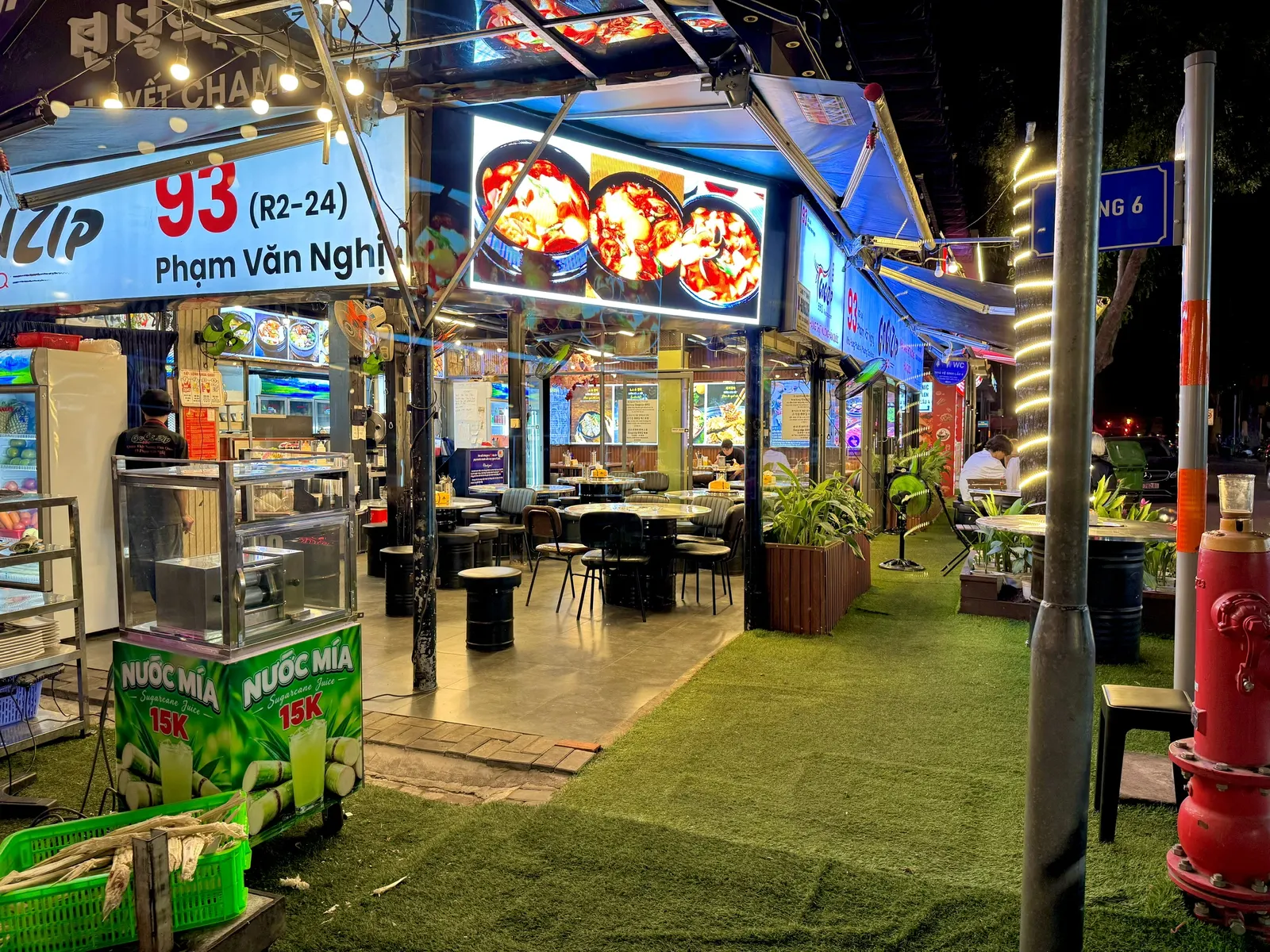
Kimbap and sushi are alike in shape but different in spirit: kimbap is homey, filling and easy to carry; sushi is refined and leans toward the fresh flavor of its ingredients. If you want to eat truly Korean food with friends, stop by Gogizip at 93 Pham Van Nghi Street, Phu My Hung Urban Area, Tan Hung Ward, Ho Chi Minh City, open 11:00–23:00 every day. Hotline 0898 611 611. Prices exclude 10% VAT.
Craving Korean BBQ? Gogizip BBQ – 93 Pham Van Nghi, Phu My Hung (District 7), open 11:00–23:00 daily. Combos for 2 from 599k VND, for 4 from 1,159k VND (prices before 10% VAT). 9 free banchan, refilled anytime. Some of our staff speak English.