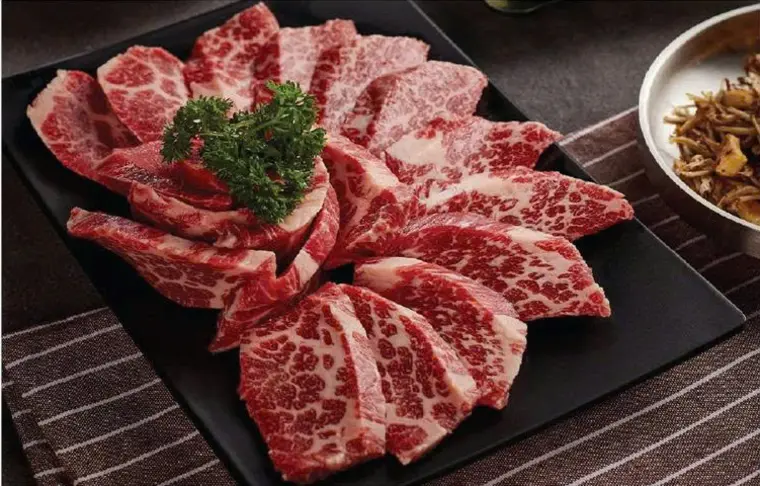
Soy-vinegar pickled onions are a familiar side dish when eating Korean-style grilled beef. Thinly sliced onions are soaked in a mixture of vinegar, soy sauce, sugar and a little water, giving a mild sourness, a salty-sweet taste, crunch and fragrance. Eaten with well-grilled beef, the onions cut the richness, cleanse the palate and add freshness to every bite. It is a simple dish, yet many grilled-meat fans feel a meal is missing half its joy without it.
This article shows how to make soy-vinegar pickled onions at home, the right pickling ratio, soaking time, storage, how to eat them properly and some fun variations. You will also learn why this dish pairs so well with great grilled beef cuts such as outside skirt, top blade and rib finger meat.
Why do pickled onions go so well with grilled beef?
Grilled beef is delicious because of its sweetness, rich fat and the aroma of charcoal. But if you eat it nonstop, the richness can wear you out. Vinegar-pickled onions solve that with three elements:
- The mild sourness of vinegar: cuts the fat and makes your palate feel “clean” again after each piece of meat.
- The crunch of the onion: adds texture, and tender meat with crisp onion is a great match.
- The salty-sweet flavor of soy sauce: blends with the beef without overpowering it, especially when eating unmarinated meat.
Koreans take great care to balance the way they eat beef. One popular way to enjoy it is to begin with the best cuts such as outside skirt and top blade, then move on to rib finger meat, and finish with beef belly; grill over strong charcoal fire, about a minute per side until cooked through, dip in salt with sesame oil and eat with soy-vinegar pickled onions. Overcooking makes beef tough, dry and loses its rich juiciness.
Ingredients for soy-vinegar pickled onions
- Onions: choose white or yellow onions, firm with no sprouts. Red onions also work, with a prettier color but a slightly stronger flavor.
- Vinegar: rice vinegar, apple cider vinegar or white vinegar all work. Rice vinegar gives the mildest and most fragrant taste.
- Soy sauce: choose a light or medium soy sauce that is not too salty.
- Sugar: white or brown sugar to balance the sour and salty.
- Filtered water: dilutes the mixture to make it milder.
- Optional: sliced green or red chili, a little garlic, a few peppercorns.
Basic soy-vinegar pickled onion recipe
These are common proportions, and you can adjust them to your taste:
- 2 medium onions
- 4 tablespoons soy sauce
- 4 tablespoons vinegar
- 3 tablespoons sugar
- 4 tablespoons filtered water
- Optional: 1 to 2 green chilies, sliced
Method:
- Peel the onions and slice thinly, about 2 to 3 mm. You can slice lengthwise or into rings, as you prefer.
- Soak the sliced onions in cold water for about 10 minutes to reduce the sharpness, then drain and let dry.
- Put the soy sauce, vinegar, sugar and water in a small pot and warm gently until the sugar dissolves completely; there is no need to boil for long.
- Let the mixture cool completely.
- Put the onions in a clean container and pour the pickling mixture over so the onions are submerged.
- Cover tightly and refrigerate for at least 30 minutes to 1 hour before eating; soaking overnight gives a stronger flavor.
Soaking time for each preference
- 30 minutes to 1 hour: crunchy onions, fresh flavor, mildly sour, a little sharp.
- 3 to 6 hours: evenly infused onions, balanced between crunch and flavor.
- Overnight (8 to 12 hours): softer, richer, milder onions, good for people who don’t like sharpness.
Onions soaked for too long become limp and lose their crunch. If you like crunch, soak them moderately and use them within a few days.
How to eat pickled onions properly
- Eat with a piece of freshly grilled beef: pick up a piece of meat, add a few slices of pickled onion, and eat them together.
- Dip the meat in sesame salt first: then eat it with onions to balance the flavor.
- Wrap in lettuce or perilla leaf: add a few strands of pickled onion to the ssam for an interesting crunchy sourness.
- Alternate between meats: onions help “reset” your palate when you switch from beef to pork.
With good beef, many Koreans like to keep it simple: dip in sesame salt, add pickled onions, and don’t wrap too many things so the flavor of the meat stays intact. You can read more about how to enjoy it in our guide to Korean grilled beef: galbi, LA galbi and American beef cuts.
Pickled onion variations
- Green chili pickled onions: add sliced green chili for a mild heat, good for people who like spice.
- Honey pickled onions: replace the sugar with honey for a gentler, more fragrant sweetness.
- Lemon pickled onions: add a little lemon juice for a cleaner sourness.
- Sesame pickled onions: sprinkle toasted sesame seeds and a few drops of sesame oil after pickling for a richer aroma.
- Red onions pickled: a beautiful color, good for plating.
- Pickled onions with other vegetables: add thinly sliced white radish for a variety of textures.
How to choose and prepare onions for crisp pickles
The quality of the onion has a big effect on the result. Choose onions that are firm, with dry, shiny skin and no bruises. Avoid ones that have sprouted or have soft spots. White onions are usually sweeter and milder than yellow onions; red onions look great but are a little stronger.
When preparing, slice with a sharp knife so the slices are clean and not crushed. Onions sliced too thin soften quickly, and slices that are too thick are hard to season. A thickness of about 2 to 3 mm is ideal. Some people like slicing lengthwise along the grain so the onion stays crunchy longer, while slicing crosswise makes pretty onion rings that are easy to plate.
Soaking in cold water (or ice water) before adding to the mixture removes some of the sharp compounds and makes the onions crunchier. Drain well and let them dry, because extra water will dilute the pickling mixture and make the dish bland.
Adding other vegetables to the jar
You don’t have to pickle only onions. Many Korean families pickle several vegetables in the same mixture to make a varied side dish:
- Cucumber: sliced thin, cool and crisp, with a fresh taste.
- Carrot: cut into strips or thin slices, mildly sweet with eye-catching color.
- White radish: crunchy with a clean sweetness, good with fatty meat.
- Bell pepper or green chili: adds color and crunch.
- Sliced garlic: garlic pickled in vinegar makes a fragrant side dish that is milder than raw garlic.
Pickle each vegetable separately if you want to control the time, because each one absorbs flavor differently. Onions and cucumbers usually need only a few hours, while radish and carrot may need longer.
Tips for people sensitive to onion smell
- Soak the onions in cold water with a pinch of salt for 15 minutes before adding to the vinegar.
- Choose white or sweet onions rather than strong red onions.
- Pickle longer (overnight) so the onions soften and mellow.
- Eat with lettuce and perilla leaf to reduce the onion smell after the meal.
- Rinse your mouth or drink warm tea after the meal to remove the smell.
Common mistakes when pickling onions
- Too sharp: because the onions weren’t soaked in cold water first. Soak for 10 minutes to reduce the sharpness.
- Limp onions: because the mixture was poured over the onions while still hot, or they were pickled too long. Let the mixture cool completely.
- Too salty: because too much soy sauce or a salty soy sauce was used. Reduce the soy sauce and add water.
- Too sour: reduce the vinegar or add a little more sugar to balance.
- Bland: not pickled long enough or the mixture was too diluted. Pickle a few more hours.
Storing pickled onions
Soy-vinegar pickled onions can be kept in an airtight container in the refrigerator for about 5 to 7 days. Use clean chopsticks or tongs to serve, to avoid contamination. If the onions change to a strange color or smell off or slimy, throw them out. Don’t leave pickled onions at room temperature for too long.
Ideas for using pickled onions beyond the grill
This dish isn’t just for grilled meat. You can use it in many everyday meals:
- With pancakes and fried foods: the crisp sourness makes fried dishes less heavy.
- Mixed into rice bowls or bibimbap: adds crunch and a mild sourness.
- In a grilled meat sandwich: pickled onions in place of pickles go very well with grilled beef or pork.
- With cold noodles: add a few strands of pickled onion for a refreshing taste.
- Quick salad: toss with salad greens and cucumber, with a little sesame oil.
Just keep a container of pickled onions in the refrigerator and you have a versatile side dish for the whole week.
A little story about soy sauce and vinegar in Korean cooking
Soy sauce (ganjang) is one of the foundational seasonings of Korean cuisine, found in meat marinades, dipping sauces, stir-fries and braises. Vinegar is commonly used in dressed dishes, pickles and dipping sauces to add a clean sourness. The combination of the two in pickled onions is a classic example: the deep saltiness of fermented soybeans meets the bright sourness of vinegar, balanced by a little sugar.
If you like cooking, try using leftover pickling liquid as a dipping sauce for fried foods or as a salad dressing. Add a little sesame oil and minced garlic and you have a versatile dipping sauce.
Other side dishes that go with beef
- Sesame salt (sesame oil salt): a dip for beef that keeps its full flavor.
- Perilla leaf and lettuce: wrap the meat for extra freshness.
- Grilled garlic: fragrant, sweet and mellow.
- Kimchi: sour, spicy and crunchy, eaten with beef or pork. Read about what kimchi is and popular kinds of kimchi.
- Hot soup: seaweed soup or beef rib soup to end the meal.
You can also see dipping sauces for grilled meat to learn how to pair them with each cut.
Grilled beef at Gogizip
Gogizip has American beef cuts such as Beef Outside Skirt, Top Blade, Beef Rib Finger Meat and Sliced Beef Belly. You can order individual portions or choose a beef combo to try several cuts at once. See more on the menu.
Dine at GogizipBBQ
Address: 93 Đ. Phạm Văn Nghị, Khu đô thị Phú Mỹ Hưng, Tân Hung Ward, Ho Chi Minh City.
Open daily 11:00 – 23:00. Hotline: 0898 611 611.
Menu prices exclude 10% VAT.
Frequently asked questions about soy-vinegar pickled onions
What do you eat soy-vinegar pickled onions with?
They go best with grilled beef, and also work with grilled pork, pork belly, pancakes, fried dishes or anything rich in fat.
How long do pickled onions need to soak before eating?
About 30 minutes to 1 hour is enough to eat them; soaking for a few hours or overnight gives a stronger flavor.
How long can pickled onions be stored?
In an airtight container in the refrigerator for about 5 to 7 days. Throw them out if they smell off or turn slimy.
How do I keep pickled onions from being sharp?
Soak the thinly sliced onions in cold water for about 10 minutes before pickling, then drain.
Which vinegar should I use?
Rice vinegar gives a mild, fragrant taste; apple cider vinegar or white vinegar also work, but adjust the amount to taste.
Can I make pickled onions without spice?
Yes, the basic recipe has no chili, so it isn’t spicy. Add chili only if you want a mild heat.
Craving Korean BBQ? Gogizip BBQ – 93 Pham Van Nghi, Phu My Hung (District 7), open 11:00–23:00 daily. Combos for 2 from 599k VND, for 4 from 1,159k VND (prices before 10% VAT). 9 free banchan, refilled anytime. Some of our staff speak English.